Cold-Weather Tent Camping Basics: Staying Warm and Dry
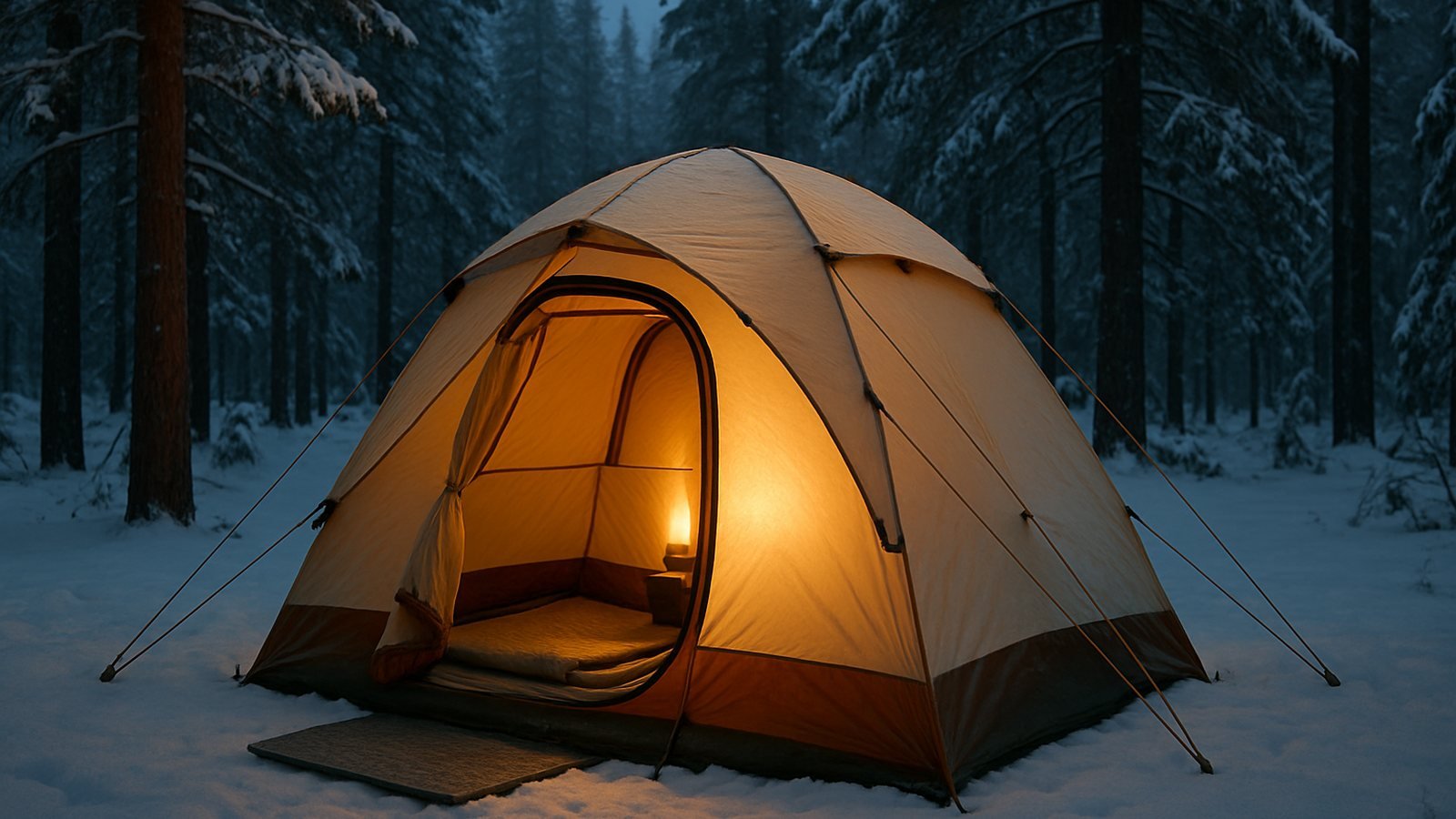
Cold-weather tent camping has a quiet magic: crisp air, empty campgrounds, no bugs and stars that seem twice as bright. It also asks more of you than a summer weekend. The good news is that staying warm and dry in a tent is not about toughness. It is about understanding how your body loses heat and setting up your gear and routines to slow that loss.
This guide covers the basics for fall and early-winter tent camping in temperatures from roughly the 40s °F down into the 20s °F. Deep-winter camping in snow and subzero temperatures requires additional skills and gear, and is best approached after you are comfortable with these fundamentals.
How You Lose Heat (and Why It Matters)
Your body loses heat in four main ways. Every cold-weather technique targets one or more of them.
- Conduction: direct contact with cold surfaces, especially the ground. This is the biggest heat thief in a tent.
- Convection: moving air carrying warmth away. Wind is the culprit.
- Evaporation: moisture, including sweat, cooling your skin. Damp clothing makes this much worse.
- Radiation: heat radiating from exposed skin, especially your head and neck.
Keep those four in mind and most cold-weather advice starts to make sense.
Plan the Trip Conservatively
- Check the forecast for overnight lows, wind and precipitation, and plan for 10 °F colder than predicted.
- Choose a campground you can drive to, with your car nearby as a warm backup. Many campgrounds stay open in fall and some in winter, often at lower rates.
- Remember that daylight is short. You may have 10 or more hours of darkness, so bring good lighting and plan evening activities.
- Have a bail-out plan. Heading home early because conditions are worse than expected is good judgment, not failure.
Your Sleep System: The Most Important Gear
Sleeping pads and R-value
Because the ground steals heat through conduction, insulation underneath you matters as much as the bag on top. Sleeping pads are rated by R-value: the higher the number, the more insulation. For cold-weather camping, look for a combined R-value of about 4 or higher, and 5 or more as temperatures drop below freezing.
R-values add up when you stack pads. An affordable approach is a closed-cell foam pad on the bottom with an inflatable pad on top. The foam pad also protects you if the inflatable one springs a leak.
Sleeping bags
Choose a bag rated at least 10 °F lower than the coldest temperature you expect. Temperature ratings are generally based on survival or comfort limits under testing conditions, and most people sleep comfortably only well above the lower limit. A mummy-shaped bag with a hood and draft collar holds heat much better than a rectangular one.
If your bag is not quite warm enough, add a fleece or insulated bag liner, or drape a quilt or blanket over the bag.
Down or synthetic?
Down is warmer for its weight and packs smaller, but loses insulating power when wet. Synthetic insulation is bulkier but holds some warmth when damp and is usually less expensive. For car camping, synthetic is a very forgiving choice.
Choosing and Setting Up Your Tent
- A three-season tent is fine for most fall camping in the conditions this guide covers. Four-season tents are designed for snow load and strong winds.
- A smaller tent warms up more easily than a large one, because there is less air to heat with your body.
- Pitch in a spot sheltered from the wind, such as on the lee side of trees, a boulder or your vehicle. Avoid low spots, where cold air settles overnight and frost forms.
- Avoid sites under dead branches, which can fall under snow or wind.
- Stake and guy out the tent fully so the rainfly is taut. A tight fly sheds wind and keeps the inner tent from touching the fly, which reduces condensation.
- Place a footprint under the tent and consider a foam mat or blanket on the tent floor for extra insulation.
Managing Condensation
Every breath you exhale carries moisture. In cold weather, that moisture condenses on the inside of the tent and can drip on you or freeze into frost. To reduce it:
- Open the tent’s vents, even when it’s cold. Ventilation moves moisture out.
- Avoid breathing inside your sleeping bag. Leave your face out and use a hat or balaclava instead.
- Do not bring wet gear inside if you can avoid it, and never cook inside the tent.
- Wipe the walls with a small towel or cloth in the morning.
Dress in Layers
Layering lets you adjust to changing activity and temperatures, so you avoid sweating (which leads to chilling).
- Base layer: synthetic or wool next to your skin. Avoid cotton, which holds moisture.
- Insulating layer: fleece, a wool sweater or a down or synthetic puffy jacket.
- Shell: a wind- and water-resistant jacket and pants.
- Extremities: a warm hat, gloves or mittens, wool socks and insulated, waterproof boots.
The key habit: remove a layer before you start sweating, and add one before you start shivering.
Bedtime Routine for a Warm Night
- Eat a good dinner with fats and protein; your body burns it slowly through the night.
- Drink something warm, but not so much that you have to get up repeatedly.
- Do a few minutes of light activity, such as a short brisk walk or jumping jacks, to warm up before getting into your bag. Get in warm, not sweaty.
- Change into dry sleep clothes: a base layer, wool socks and a warm hat. Never sleep in the clothes you sweated in during the day.
- Use the restroom right before bed. Your body spends energy keeping that extra liquid warm.
- Fill a heat-safe water bottle (one rated for hot liquids) with hot water, seal it tightly, wrap it in a sock and put it in your bag near your core or feet.
- Keep tomorrow’s clothes and boot liners inside the bag or between the bag and the pad so they are warm in the morning.
- Keep phone and camera batteries in your bag too; cold drains them quickly.
Cooking and Water in the Cold
- Cook outdoors only, in a well-ventilated area away from the tent.
- Canister stoves lose pressure in the cold. Keep the canister warm in your jacket or sleeping bag before use, or use a stove designed for cold weather.
- Plan warm, simple meals: soups, stews, chili and hot drinks. One-pot meals reduce cleanup with cold hands.
- Store water bottles upside down so ice forms at the bottom rather than the lid, and keep one bottle in the tent overnight.
- Stay hydrated. Cold air is dry, and dehydration makes you more vulnerable to cold.
What to Bring (Affiliate-Free Checklist)
- Tent with full rainfly, footprint and extra stakes
- Sleeping bag rated 10 °F below the expected low
- Two sleeping pads (foam plus inflatable)
- Bag liner or extra blanket
- Base layers, fleece, puffy, shell, hat, gloves, wool socks
- Insulated boots and camp booties
- Heat-safe water bottle
- Stove, fuel, and a lighter plus backup matches
- Headlamp with spare batteries, and a lantern
- Insulated mug and thermos
- Hand warmers
- First aid kit
Keeping Comfortable Around Camp
Long, cold evenings are more pleasant when you plan for them. Set up a camp chair with a closed-cell foam pad on the seat, since chairs lose heat from underneath just like the ground does. If the campground allows it, string a tarp on the windward side of your sitting area as a windbreak. Keep a thermos of hot water ready for drinks, and wear your warmest layer the moment you stop moving rather than waiting until you feel chilled.
Plan a few evening activities for the long hours of darkness: a short night walk with headlamps, stargazing with a simple star chart, cards or a book read by lantern light. Going to bed at 7 p.m. sounds tempting, but a very long night in the tent can feel colder and longer than it needs to.
Mornings
Mornings are often the coldest part of the trip. Before you leave your bag, pull on the warm clothes you stored inside it. Get the stove going for a hot drink and a warm breakfast right away, and open the tent doors and vents so condensation can dry while you eat. If the sun comes out, turn the tent’s wet side toward it and lay out sleeping bags to air before packing.
Keeping gear dry
Moisture is the hidden enemy of cold-weather comfort. Pack spare socks and gloves in sealed bags, knock frost and snow off boots and clothing before entering the tent, and hang damp items in your vehicle rather than inside the tent overnight. Dry gear stays warm; damp gear steadily pulls heat away.
Recognizing Cold-Weather Problems
Hypothermia
Hypothermia occurs when your body temperature drops below normal. Early signs include shivering, clumsiness, slurred speech, confusion and fatigue. People often do not notice it in themselves, so watch your companions. Act early: get the person out of the wind and wet, replace wet clothing with dry layers, wrap them in a sleeping bag, give warm, sweet drinks if they are alert, and seek medical help for anything beyond mild symptoms. Severe hypothermia (shivering stops, confusion or drowsiness worsens) is a medical emergency.
Frostbite
Frostbite affects exposed skin and extremities, especially fingers, toes, nose and ears. Watch for numbness, white or grayish-yellow skin and a waxy feel. Rewarm gently with body heat or warm (not hot) water, do not rub the area, and seek medical care. Do not rewarm if there is a chance it will refreeze.
Cold-season preparation is a theme across the Frontier family. At home, The Homestead Frontier’s fall winterizing checklist covers getting a house and property ready for the first hard freeze.
Frequently Asked Questions
Can I use a space heater in my tent?
Fuel-burning heaters, stoves, grills and lanterns must never be used inside a tent. They produce carbon monoxide, which can kill without warning, and they are a fire hazard. If you have electric hookups, some campers use an electric heater with tip-over and overheat protection, kept well away from fabric and bedding, but the safest approach is a warm sleep system.
Why am I still cold in a bag rated for the temperature?
Usually because of insufficient insulation underneath, damp clothes, dehydration or going to bed cold. Add a second pad and follow the bedtime routine above.
Is it okay to sleep in my car instead?
Absolutely, and it is a fine backup plan. Do not run the engine for heat while sleeping, and crack a window to reduce condensation.
What is the coldest I should try as a beginner?
Start with nights in the 40s °F, then progress to near-freezing once your system works well.
Safety Notes
- Never use any fuel-burning appliance inside a tent or closed vehicle. Carbon monoxide poisoning can occur quickly and without warning.
- Tell someone your plans and expected return time.
- Watch each other for signs of hypothermia and frostbite, and act early.
- Check road and weather conditions before leaving and before driving home.
- Keep your car fueled and carry a vehicle winter kit.
With the right sleep system, smart layering and a few simple routines, cold-weather camping can become your favorite season outdoors. Start mild, learn your system, and enjoy the quiet.
Cold at night in your tent?
Get our free 1-page Warm Night in a Tent Checklist: pad, bag, layers, site setup, bedtime habits and the safety rules every tent camper should know. You’ll also get The Camping Frontier Weekly: practical camping guides, gear picks and campground reviews, in your inbox once a week. See what’s inside.
Free. One email a week. Unsubscribe anytime.