15 Camping Mistakes Beginners Make
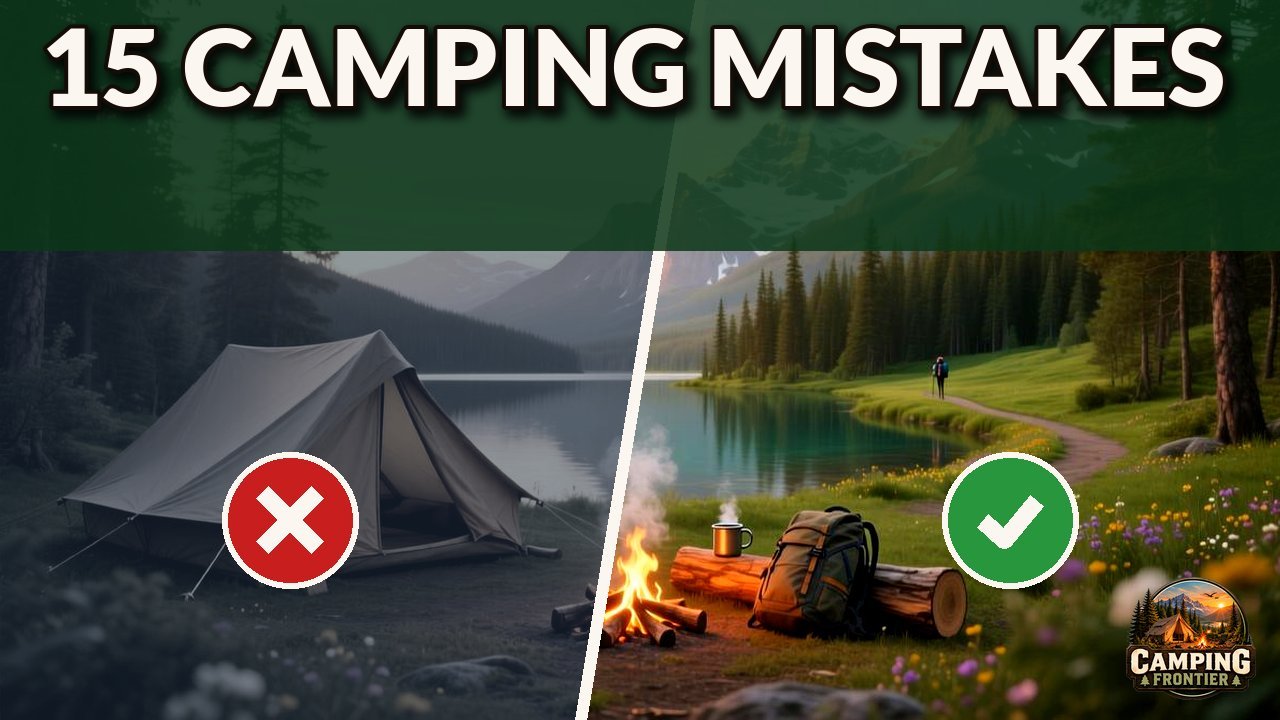
This page lists 15 common mistakes new campers make, like not checking the weather or not setting up the tent before the trip. It offers easy fixes and tips to avoid these problems. You can read the guide or watch sections in a linked video for more help.
Two in the morning, wide awake, freezing cold, and wondering why anyone does this for fun. Almost every rough first camping trip comes down to the same handful of mistakes. They’re common, they’re understandable, and every one is easy to fix once you know about it.
Here are 15 beginner camping mistakes in four groups (planning, shelter and sleep, food and fire, and camp habits), plus what to do instead. None of them mean you’re bad at camping. They’re simply the lessons most of us learned on a cold, wet night, so you don’t have to.
Prefer to read? The full guide is below, and each section links to the matching part of the video.
Key takeaways
- Check the overnight low, not just the daytime high.
- Start at a developed campground close to home, with a reservation, and arrive with daylight to spare.
- Practice pitching the tent at home, and put the rainfly on every night.
- Sleep on a real insulated pad, in a bag rated about 10 degrees colder than the expected low.
- Keep meals simple, store food away from wildlife, and keep fires small and fully out.
- Give every camper a headlamp and every piece of gear a home.
Planning Mistakes
▶ Watch this part in the video (0:50)
- Not checking the forecast, or only the daytime high. The overnight low matters most. A 70-degree afternoon can drop into the 40s after dark, especially in the mountains or near water.
- Picking a campground that’s too ambitious. Your first trip isn’t the time for a remote site with no water and a long hike in. Start at a developed campground with restrooms and drinking water, close enough to home that you can head back if you need to.
- Showing up without a reservation. Popular campgrounds fill weeks or months ahead, especially on summer weekends and holidays. Book early and have a backup in mind.
- Arriving after dark. Setting up a tent for the first time by headlamp is frustrating for everyone. Plan to arrive with two or three hours of daylight to spare.
Planning your very first trip? Our complete beginner’s plan walks you through it step by step.
Shelter and Sleep Mistakes
▶ Watch this part in the video (1:41)
- Never setting up the tent before the trip. Practice at home. You’ll learn how the poles go together and find out if anything is missing while you can still fix it.
- Pitching in the wrong spot. Avoid low areas where rain collects, and don’t set up under dead branches. Look for flat, slightly raised ground and clear away rocks and pinecones first.
- Skipping the rainfly. Even on a clear night, dew can soak through a mesh tent body by morning. Put the fly on every time and stake it tight so it doesn’t touch the inner tent.
- Sleeping on the ground with no real pad. This is the big one. The ground pulls heat from your body all night, however warm your sleeping bag is. An insulated sleeping pad is the best comfort upgrade a beginner can make.
- Trusting the number on the sleeping bag. Many ratings describe the temperature you’ll get through, not the one you’ll be comfortable at. Choose a bag rated about 10 degrees colder than the lowest temperature you expect, and sleep in dry, warm layers and a hat.
Food and Fire Mistakes
▶ Watch this part in the video (2:53)
- Packing the cooler poorly. Pre-chill the cooler and everything in it, use block ice or frozen water bottles, keep it in the shade and open it as little as possible. A separate drink cooler helps a lot.
- Planning complicated meals. Camp cooking takes longer and there’s less space. Keep the first trip simple with prep-ahead meals like foil packets, tacos or chili made at home and reheated.
- Leaving food out. Raccoons, squirrels and, in some areas, bears learn fast where easy food is. Store food, coolers, trash and scented items in your car or a bear locker whenever you’re away from the table or asleep.
- Building fires too big, and not putting them out completely. Keep the fire small and inside the fire ring, follow local burn bans and buy firewood locally. When you’re done, drown it, stir it and drown it again until the ashes are cool to the touch.
Camp Habit Mistakes
▶ Watch this part in the video (3:56)
- Not having a light for every person. Phone flashlights drain your battery and tie up a hand. A headlamp for each camper makes nighttime cooking, reading and restroom trips much easier.
- Letting camp turn into chaos. Scattered gear gets lost, wet or stepped on. Give everything a home: keep the kitchen together, keep sleeping gear in the tent and do a quick tidy before bed.
If you had to fix only three, make them a real sleeping pad, the rainfly every night, and arriving with daylight to spare. Those three turn most rough first trips into really enjoyable ones.
A Few Bonus Tips
▶ Watch this part in the video (4:54)
- Leave cotton at home for cold or wet nights. Once cotton gets damp it stays damp and pulls heat from your body. Fleece, wool and synthetics stay warm even when a little wet.
- Drink plenty of water, even when it’s cool. Dehydration makes you colder at night and more tired during the day.
- Keep notes. After each trip, write down what you wished you had and what you didn’t use.
A Simple Plan for Your Next Trip
▶ Watch this part in the video (5:25)
- About a week before: check the forecast, especially the overnight low, and confirm your reservation and campground rules, such as quiet hours and fire restrictions.
- A few days out: set up the tent in the yard, inflate the sleeping pads and test the stove and lights. Replace anything broken or missing.
- The night before: pre-chill the cooler, pack the food and load the car with the heaviest gear on the bottom and the tent on top, so it comes out first.
- Arrival day: reach camp by early afternoon. Walk the site, set up shelter and beds first, then the kitchen.
- Before dark: put away food and scented items, find the headlamps and gather firewood for the evening. Then sit down and enjoy it.
How to Recover When Things Go Wrong
▶ Watch this part in the video (6:23)
Even with a good plan, something will go sideways: harder rain than forecast, a stove that won’t light, a forgotten can opener. Stay calm and keep a few simple backups.
- A tiny repair kit: duct tape, a length of cord, a few spare stakes and some safety pins solve a surprising number of camp problems.
- A tarp and cord: strung over the picnic table, they give you a dry kitchen and a place to play cards.
- Ask for help. Neighbors and camp hosts tend to look out for each other.
- It’s okay to go home early. If the weather turns dangerous or someone is miserable, packing up is good judgment, not failure.
Build Your Skills One Trip at a Time
▶ Watch this part in the video (7:16)
Every experienced camper started exactly where you are. They forgot things, got cold and burned a dinner or two. What made them good was going again and fixing one thing at a time. Keep your gear packed in a bin or two, ready to go. When packing takes ten minutes instead of two hours, you’ll camp a lot more often.
Gear mentioned in this video
As an Amazon Associate I earn from qualifying purchases.
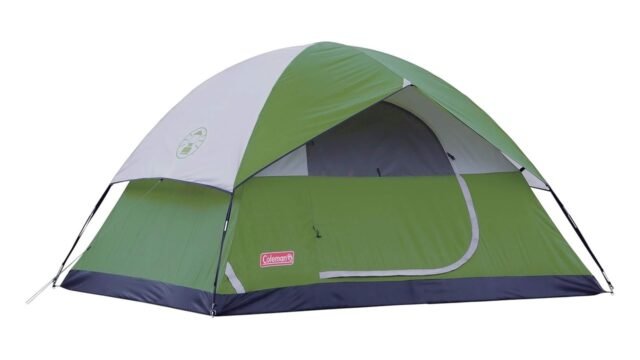
- Coleman Sundome Camping Tent with Rainfly: An easy starter dome tent with a full rainfly (mistakes #5-7).
- Klymit Static V Sleeping Pad: A light inflatable pad that gets you off the cold ground (mistake #8). This variant lists no R-value, so it suits warmer trips.
- Petzl Tikkina 300 Lumen Headlamp: A simple headlamp so every camper has a light (mistake #14).
- Coleman Bottletop Propane Stove: A one-burner stove for simple, prep-ahead meals (mistake #11).
- Morakniv Companion Fixed-Blade Knife: A classic budget camp knife for food prep, cord and kindling.
Keep Going
- Start at the beginning: Your First Camping Trip: A Complete Beginner’s Plan
- New to the site? Start Here for our beginner guides.
- Camping in an RV instead? Our sister site Campers Frontier covers 15 costly mistakes first-time RV owners make.
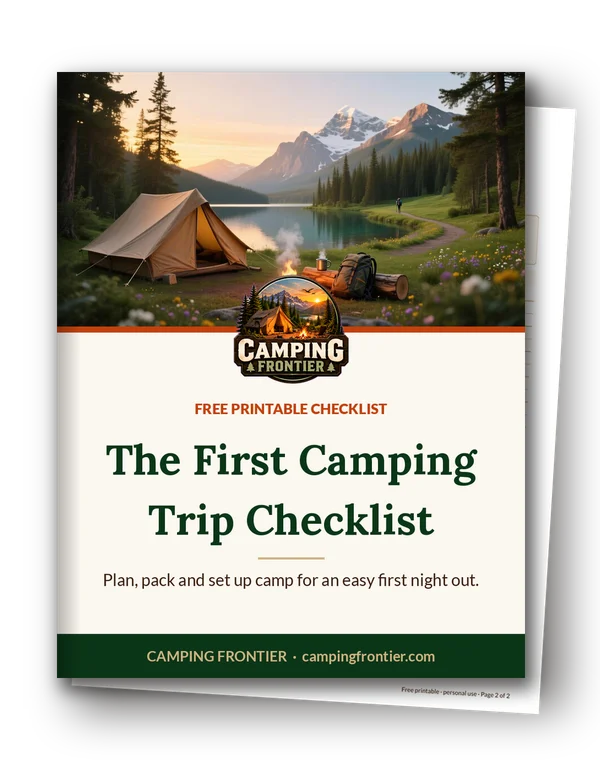
Get The First Camping Trip Checklist
Most of these mistakes come from forgetting something or rushing. This checklist fixes both.
A free 2-page printable for a relaxed, well-prepared first night outside.
- Planning, shelter and sleep, and the camp kitchen
- Clothing layers, safety basics and Leave No Trace
- A quick night-before check, plus the beginner mistakes worth skipping
Free. About one email a week with camping guides and simple camp recipes. Unsubscribe anytime.
Watch every guide on YouTube: youtube.com/@campingfrontier. Which of these mistakes have you made? We’ve all been there.