Big Bend Campground Review: Riverside Camping in West Virginia’s Beautiful Smoke Hole Canyon
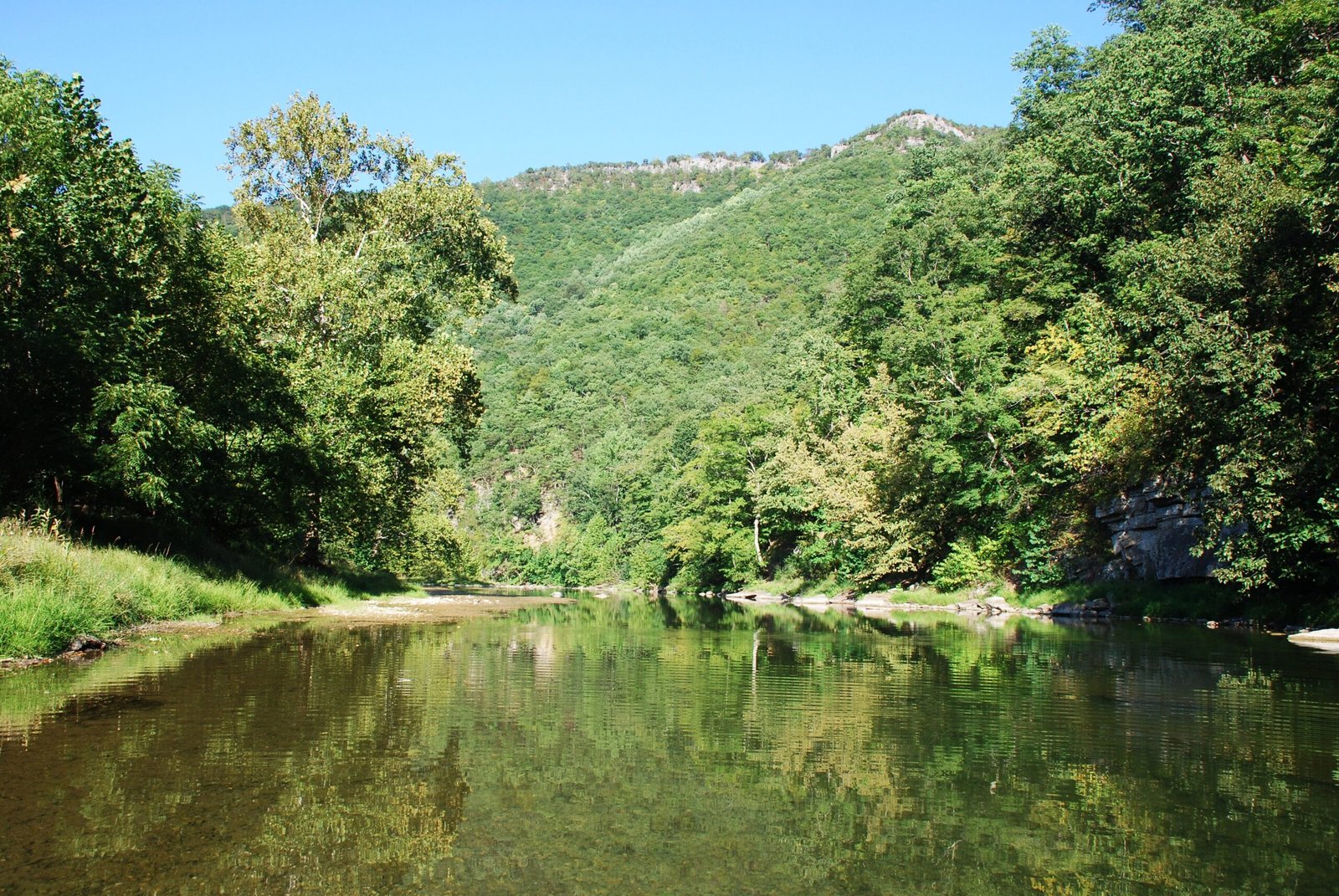
Featured image: Photo: Jarek Tuszyński / Wikimedia Commons, CC BY 3.0
Imagine waking up beneath a canopy of towering trees, listening to birds calling through the forest while the gentle sound of a nearby river drifts through your campsite.
There’s no television competing for your attention. No traffic-filled highway outside your tent. Just the quiet beauty of the Appalachian Mountains and an entire day of outdoor adventure waiting to unfold.
That’s the experience that makes Big Bend Campground such an appealing destination.
Tucked inside Smoke Hole Canyon in West Virginia’s Monongahela National Forest, Big Bend offers a wonderful combination of wooded campsites, river access, scenic hiking, and the peaceful atmosphere that makes traditional tent camping so rewarding.
It’s a place where you can spend the morning exploring a forest trail, enjoy an afternoon fishing along the river, and finish your day around a crackling campfire.
And although the setting feels wonderfully remote, the campground includes useful facilities such as flush toilets and showers.
But is Big Bend the right choice for your next camping getaway?
Let’s explore what makes this West Virginia destination special.
Big Bend Campground at a glance
| Feature | Details |
|---|---|
| Location | Smoke Hole Canyon, near Petersburg, West Virginia |
| National forest | Monongahela National Forest |
| Setting | Wooded campground near the South Branch of the Potomac River |
| Campsites | 46 standard non-electric sites |
| Camping options | Tents, trailers, and smaller RVs at suitable sites |
| Electrical hookups | None at regular campsites |
| Campsite amenities | Picnic tables, fire rings, lantern posts, parking spurs |
| Restrooms | Flush toilets and vault toilets |
| Showers | Available in campground |
| Water | Drinking-water facilities; confirm seasonal operation |
| Activities | Hiking, fishing, kayaking, canoeing, wildlife watching |
| Pets | Allowed under campground rules |
| Season | Generally mid-April through late October |
| Reservations | River Loop and double sites reservable on Recreation.gov; Upper Loop sites 13–30 first-come, first-served |
| Best suited for | Tent campers, nature lovers, anglers, hikers, peaceful getaways |
Campground details are based on the official U.S. Forest Service listing and Recreation.gov.
What makes Big Bend Campground special?
The location is the real star.
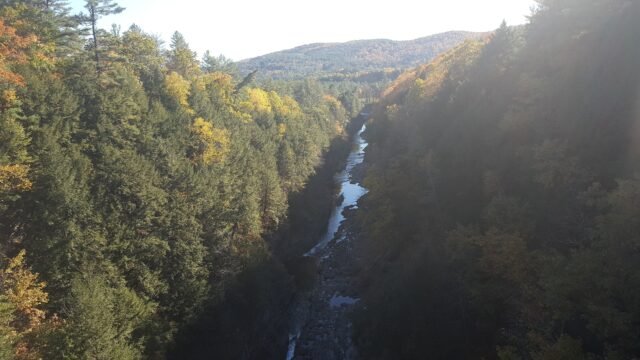
Big Bend sits within Smoke Hole Canyon, a scenic stretch of the South Branch of the Potomac River surrounded by forested mountain slopes and dramatic Appalachian landscapes.
The canyon is known for its winding roads, rocky cliffs, peaceful river scenery, and sense of isolation.
For campers who enjoy escaping busy tourist destinations, it’s an inviting setting.
The campground lies roughly 200 feet from the river, making it easy to enjoy fishing, paddling, or simply relaxing beside the water.
There’s also a one-mile nature trail that loops around the campground, with much of the route following the river bend.
That means you don’t have to drive somewhere else every time you want to enjoy a walk in the woods.
And for more ambitious hikers, the surrounding Monongahela National Forest offers extensive trail networks and opportunities to explore the Appalachian backcountry.
One especially appealing feature is the forest itself.
Mature trees provide shade during warmer months, while autumn transforms the surrounding landscape into a beautiful display of red, orange, and gold.
It’s the kind of destination that reminds you why camping doesn’t need elaborate entertainment or luxury accommodations to be memorable.
Campsites and the camping experience
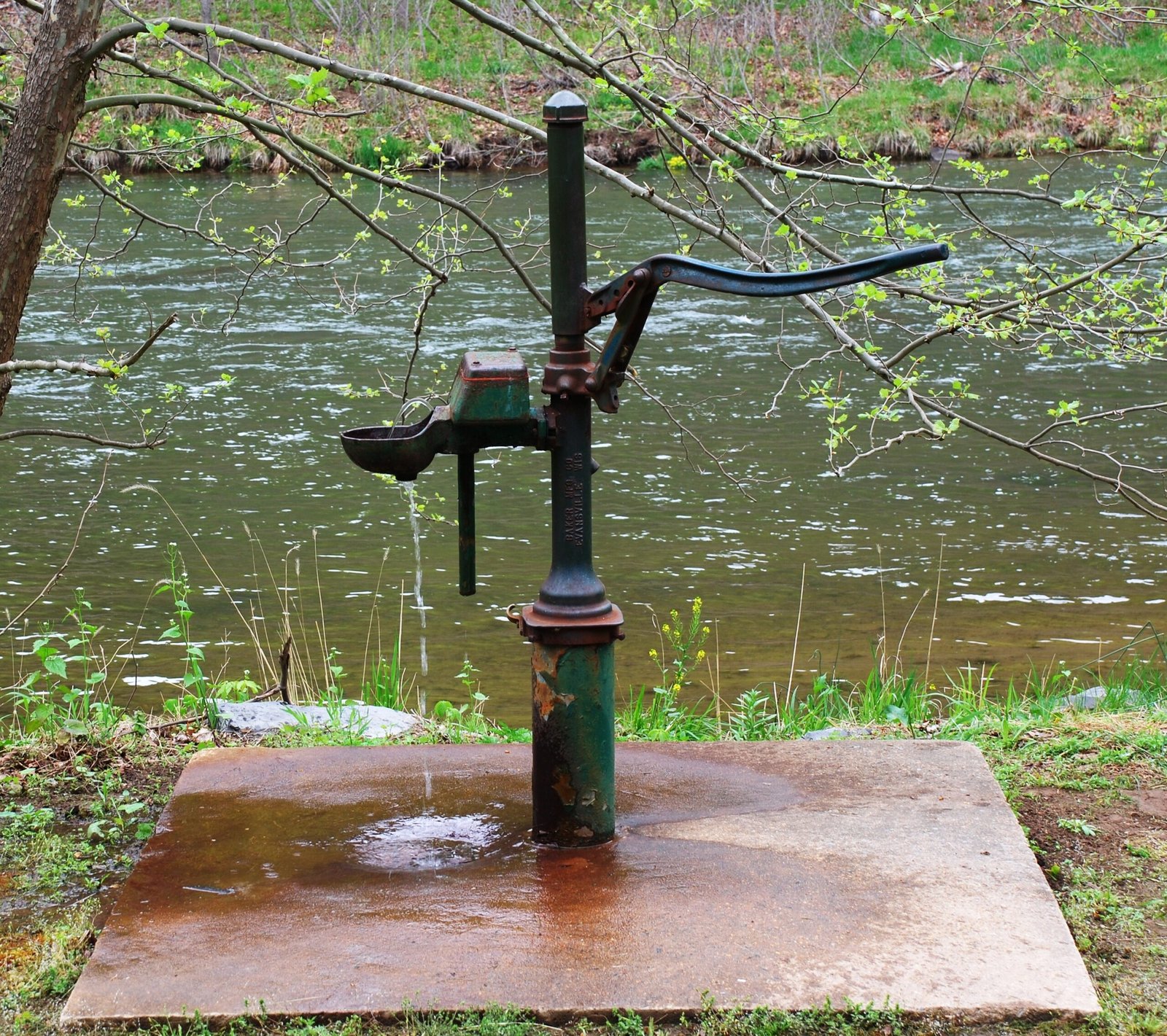
Photo: Jarek Tuszyński / Wikimedia Commons, CC BY 3.0
Big Bend Campground offers 46 standard non-electric campsites arranged in river and upper campground loops.
Each standard site includes a picnic table, fire ring, lantern post, and parking spur.
The campground is suitable for tent camping, and some sites can also accommodate trailers or smaller recreational vehicles.
For tent campers, the biggest attraction is the wooded setting.
Rather than camping in an open field, you’ll find yourself surrounded by mature trees, with the forest creating a more natural atmosphere.
Some campsites offer substantial shade, which can be particularly welcome during summer.
However, not every site has the same layout.
The campground includes both river-loop and upper-loop locations, and the size, terrain, and amount of shade can vary.
Because the campsites do not provide electrical hookups, visitors should prepare for a more traditional camping experience.
That means bringing battery-powered lanterns, portable charging equipment, and whatever other essentials you’ll need for a comfortable stay.
One advantage is that the campground provides developed facilities without turning the experience into a full-service resort.
Our camping tip: Arrive with several preferred campsite numbers in mind, but remain flexible. River Loop sites and double sites can be reserved on Recreation.gov, but Upper Loop sites 13–30 are first-come, first-served, so you can’t guarantee one of those before arriving.
Campground amenities and facilities
Big Bend offers more facilities than some campers might expect from a relatively remote national forest campground.
The campground includes both flush toilets and vault toilets, as well as a restroom building with showers.
These amenities are particularly welcome after a day of hiking, fishing, or paddling.
Trash dumpsters are provided in the campground loops, and a dump station is available for visitors traveling with RVs.
Several facilities include accessibility features.
For tent campers, the combination of shaded sites, fire rings, picnic tables, and showers provides a comfortable balance between simplicity and convenience.
However, don’t expect the recreational facilities of a large private campground.
Big Bend isn’t designed around swimming pools, clubhouses, organized activities, or entertainment programs.
Instead, the surrounding forest and river provide the entertainment.
You’ll also want to plan ahead for groceries, fuel, and camping supplies.
The campground’s location within Smoke Hole Canyon means nearby shopping options are limited compared with developed tourist areas.
One important consideration: The campground has no electrical hookups at regular campsites. Charge essential devices before arriving, and bring appropriate portable lighting.
Things to do at Big Bend Campground
One of the greatest pleasures of camping here is having so many outdoor activities close to your tent.
Explore the South Branch of the Potomac River
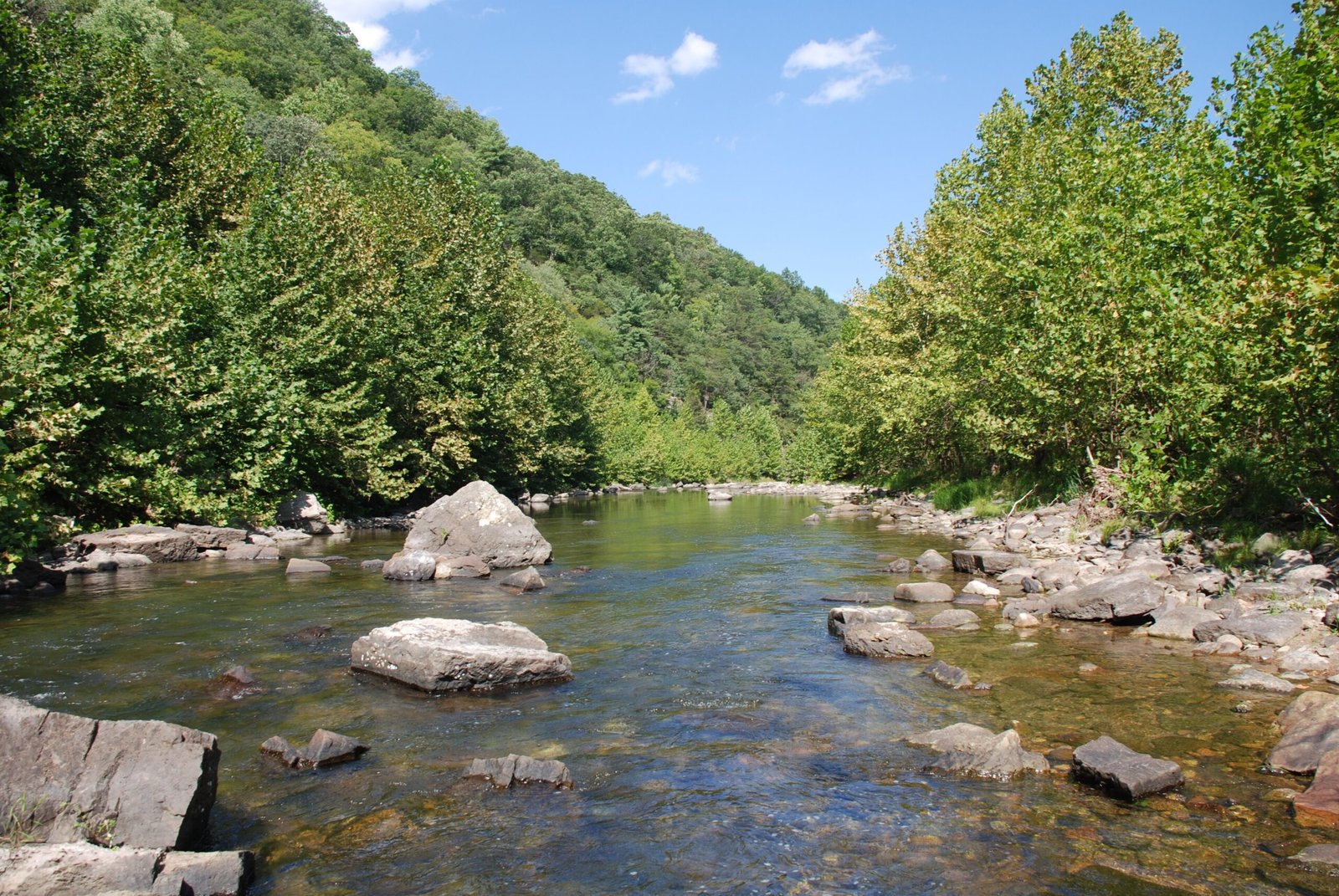
Photo: Jarek Tuszyński / Wikimedia Commons, CC BY 3.0
The South Branch of the Potomac River is one of the area’s defining attractions.
Its winding course through Smoke Hole Canyon creates a beautiful environment for spending time outdoors.
Fishing is a popular activity, and visitors may encounter opportunities to pursue trout and other freshwater species, depending on the season and applicable regulations.
Anglers should check current West Virginia fishing rules, licensing requirements, and any special regulations for the specific stretch of river.
Kayaking and canoeing are also possible when water conditions are appropriate.
However, river levels can change, and paddlers should understand local conditions before entering the water.
For campers who prefer a quieter experience, simply finding a comfortable spot beside the river can be wonderfully relaxing.
Bring a folding chair, a good book, or a camera and enjoy the scenery.
Hike the Big Bend Loop Trail
The campground’s one-mile loop trail is a convenient way to explore the surrounding landscape.
Much of the route follows the bend of the river, offering opportunities to observe the forest, enjoy the scenery, and look for wildlife.
Because the trail begins close to the campground, it’s ideal for an early morning walk or a leisurely afternoon outing.
You won’t need to pack your car or travel to a distant trailhead.
For campers who enjoy exploring on foot without committing to an all-day hike, that’s a major advantage.
Discover the surrounding Monongahela National Forest
Big Bend also provides access to a much larger outdoor playground.
Monongahela National Forest encompasses extensive mountain landscapes, rivers, and hiking trails.
The nearby Seneca Creek Backcountry and Smoke Hole Canyon trail systems provide opportunities for longer hikes and more adventurous exploration.
Mountain biking is permitted on many designated trails, although visitors should verify individual trail rules and conditions.
For experienced hikers, the region offers rewarding opportunities to discover waterfalls, mountain views, and secluded forest scenery.
Visit Seneca Rocks
A worthwhile regional excursion for campers who enjoy dramatic Appalachian scenery.
Seneca Rocks is one of West Virginia’s most recognizable natural landmarks.
Its dramatic rock formation rises above the surrounding valley and attracts hikers, photographers, and rock climbers.
Visitors can explore the area around the Seneca Rocks Discovery Center and enjoy views of the striking mountain landscape.
The hike toward the observation platform is a popular activity, although the climb is steep in places.
If you’re spending several days at Big Bend, Seneca Rocks makes an excellent addition to your itinerary.
Enjoy the beauty of Smoke Hole Canyon
Sometimes the best activity is simply exploring the area surrounding your campground.
Smoke Hole Canyon offers winding mountain roads, rocky outcroppings, forested hillsides, and beautiful river scenery.
Photography enthusiasts will find plenty of opportunities to capture the changing landscape.
During autumn, the colorful foliage makes the canyon especially attractive.
And because the campground is tucked into this scenic environment, even a leisurely drive can become a memorable part of your trip.
The best time to go camping
Big Bend generally operates from approximately mid-April through late October.
Each season brings a different atmosphere.
Spring offers fresh greenery, flowing streams, and comfortable hiking temperatures. However, rain and chilly nights are possible.
Summer brings warmer weather and long daylight hours, making it an attractive season for hiking, fishing, and river activities.
The forest canopy provides welcome shade, although humidity and insects can still be factors.
Fall is particularly beautiful.
The surrounding hardwood forests turn brilliant shades of red, orange, and gold, creating spectacular scenery throughout Smoke Hole Canyon.
For tent campers, September and early October can offer a wonderful combination of pleasant daytime temperatures and colorful landscapes.
However, nights can become quite cold as autumn progresses.
Our recommendation: Consider late spring or early fall if you’re looking for comfortable camping temperatures and beautiful scenery.
What we like about Big Bend Campground
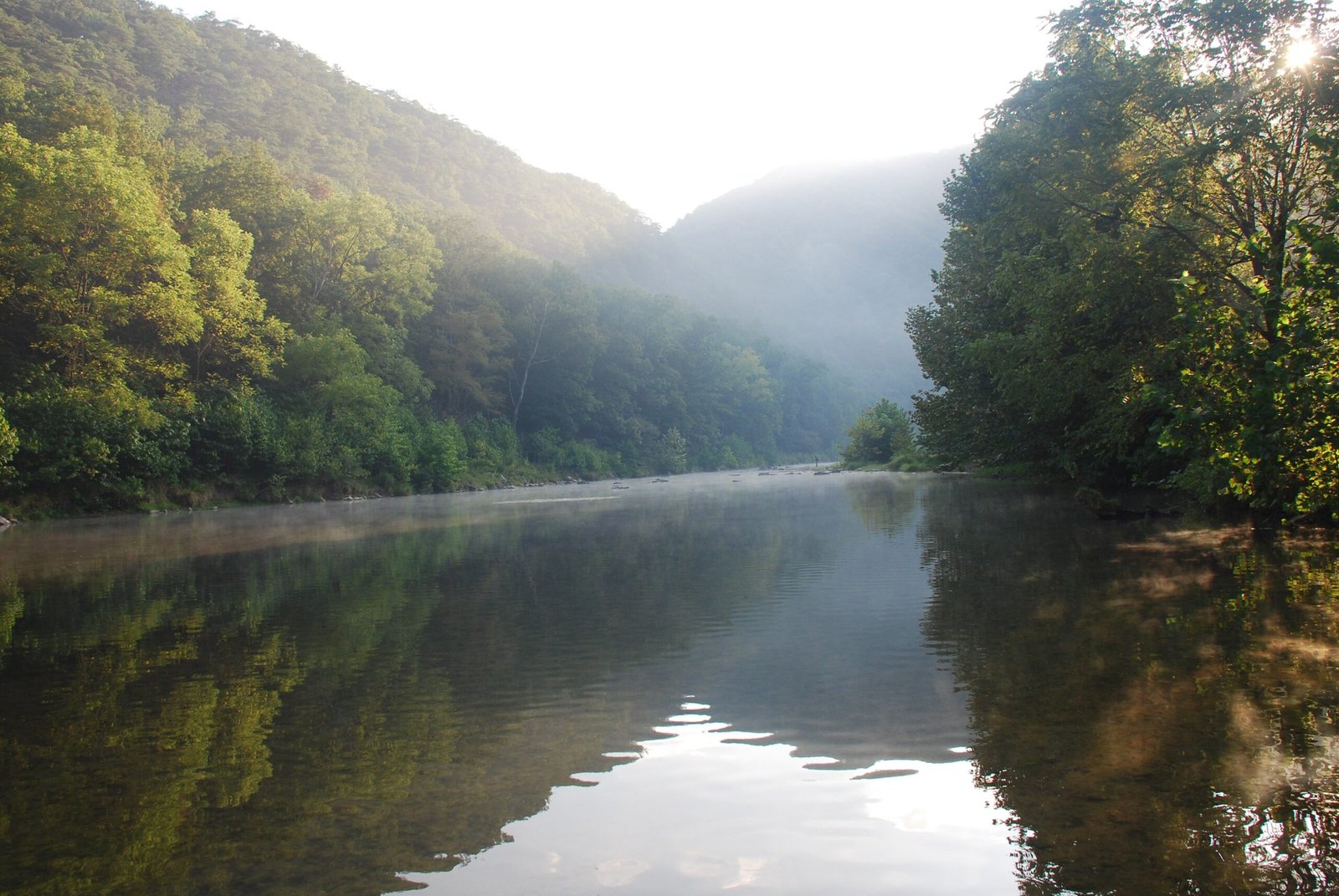
Photo: Jarek Tuszyński / Wikimedia Commons, CC BY 3.0
Several features make Big Bend a compelling camping destination.
Beautiful wooded setting: Mature trees and surrounding mountains create a peaceful natural environment.
Easy river access: The South Branch of the Potomac River provides opportunities for fishing, paddling, and relaxation.
Convenient hiking: The one-mile campground loop trail makes exploring the forest easy.
Useful campground facilities: Flush toilets and showers add comfort without compromising the outdoor atmosphere.
Traditional camping experience: Fire rings, picnic tables, and non-electric campsites encourage a simpler style of camping.
Excellent fall scenery: Autumn foliage transforms the surrounding mountains into a colorful landscape.
Access to broader outdoor adventures: Seneca Rocks, Smoke Hole Canyon, and the surrounding national forest offer plenty of exploration opportunities.
For campers who appreciate peaceful forest settings and outdoor recreation, Big Bend has a great deal to offer.
Potential drawbacks to consider
Even a beautiful campground has limitations.
Limited reservations: Upper Loop sites are first-come, first-served, which creates uncertainty, especially during popular weekends.
No electrical hookups: Campers who rely on powered equipment must plan accordingly.
Remote location: Groceries, fuel, restaurants, and other services aren’t immediately available.
Limited cell service: Mountain terrain may affect coverage, so don’t assume you’ll have a reliable connection.
Potential road flooding: The Forest Service specifically warns that access roads may become impassable during flash flooding.
Wildlife precautions: Bears inhabit the region, and campers must store food securely.
Seasonal operation: The campground generally closes for the colder months.
Variable campsite availability: Arriving late on a busy Friday may leave fewer options.
The flooding warning deserves particular attention.
The Forest Service advises visitors that roads leading to the campground can become impassable during flash floods, potentially delaying departure.
Monitor weather forecasts carefully, particularly when heavy rain is expected.
Reservations, fees, and practical planning
Big Bend Campground is managed by the U.S. Forest Service.
Big Bend uses a mix of reservable and first-come, first-served sites. River Loop sites and double sites can be reserved through Recreation.gov or by calling (877) 444-6777, while Upper Loop sites 13–30 are first-come, first-served.
If you’re hoping for an Upper Loop site, you’ll need to arrive and select an available campsite.
The campground’s Recreation.gov listing identifies a typical operating season from the second Friday in April through the last Saturday in October, although actual opening and closing dates can vary.
Camping fees
The Forest Service publishes the following nightly fees:
| Site category | Nightly fee |
|---|---|
| River Loop single site | $29 |
| River Loop double site | $50 |
| Upper Loop single site | $27 |
| Upper Loop double site | $43 |
Stays are limited to 14 days, with a maximum of eight people per site. The campground is operated by concessionaire BA Services Inc. (304-358-3613).
Important campground rules
The Forest Service emphasizes several important requirements:
Store food securely in approved containers or locked vehicles because bears may be present.
Park only in designated developed areas.
Purchase firewood locally rather than transporting wood from distant areas.
Monitor weather conditions and watch for flash flooding on access roads.
Follow campground quiet hours, fire restrictions, and posted rules.
These precautions help protect both visitors and the surrounding forest.
Directions and contact information
From Petersburg, West Virginia, follow Routes 28/55 for approximately eight miles.
Turn onto Smoke Hole Road (Route 28/11), continue for approximately 13 miles, then follow County Route 2 for about three miles to the campground.
The route winds through mountain terrain, so allow additional travel time and avoid relying exclusively on GPS.
Official planning information
- Location: Smoke Hole Canyon, near Petersburg, West Virginia
- Campground information: 304-358-3253
- Reservations: Recreation.gov or (877) 444-6777
- Campground listing: Big Bend Campground on Recreation.gov
- Forest Service: Monongahela National Forest official website
Final verdict: Is Big Bend Campground worth visiting?
Absolutely—especially for tent campers who enjoy peaceful forests, riverside scenery, and outdoor adventure.
Big Bend Campground offers a traditional camping experience in one of West Virginia’s most beautiful natural settings.
Its shaded campsites, nearby river, convenient hiking trail, and access to the broader Monongahela National Forest make it an excellent destination for travelers who want to spend more time outdoors.
The campground’s showers and restrooms provide welcome conveniences, while the lack of electrical hookups preserves a simpler camping atmosphere.
It’s not the ideal destination for visitors who want extensive entertainment facilities or reliable connectivity.
And the remote location and potential for road flooding require careful planning.
But for campers who appreciate the sound of a flowing river, quiet mornings beneath tall trees, and evenings around a campfire, Big Bend delivers the kind of experience that makes camping so memorable.
Camping Frontier’s recommendation: Big Bend Campground is an excellent choice for nature lovers, hikers, and anglers seeking a peaceful Appalachian getaway. Arrive early to secure a campsite, bring everything you’ll need for a non-electric stay, and check weather conditions before traveling into Smoke Hole Canyon.
Liked this? Get one like it every week.
Practical camping guides, gear picks and campground reviews, in your inbox once a week, plus the free First Camping Trip Checklist when you join. See what's inside.
Free. One email a week. Unsubscribe anytime.