Quechee State Park Camping Review: A Scenic Vermont Escape Beside New England’s Most Spectacular Gorge
Featured image: Photo: cweyant from Syracuse, United States / Wikimedia Commons, CC0
Imagine waking up beneath a canopy of towering Vermont trees, the morning air crisp and refreshing as sunlight begins filtering through the forest.
You unzip your tent, step outside with a fresh cup of coffee, and listen to the peaceful sounds of birds moving through the branches.
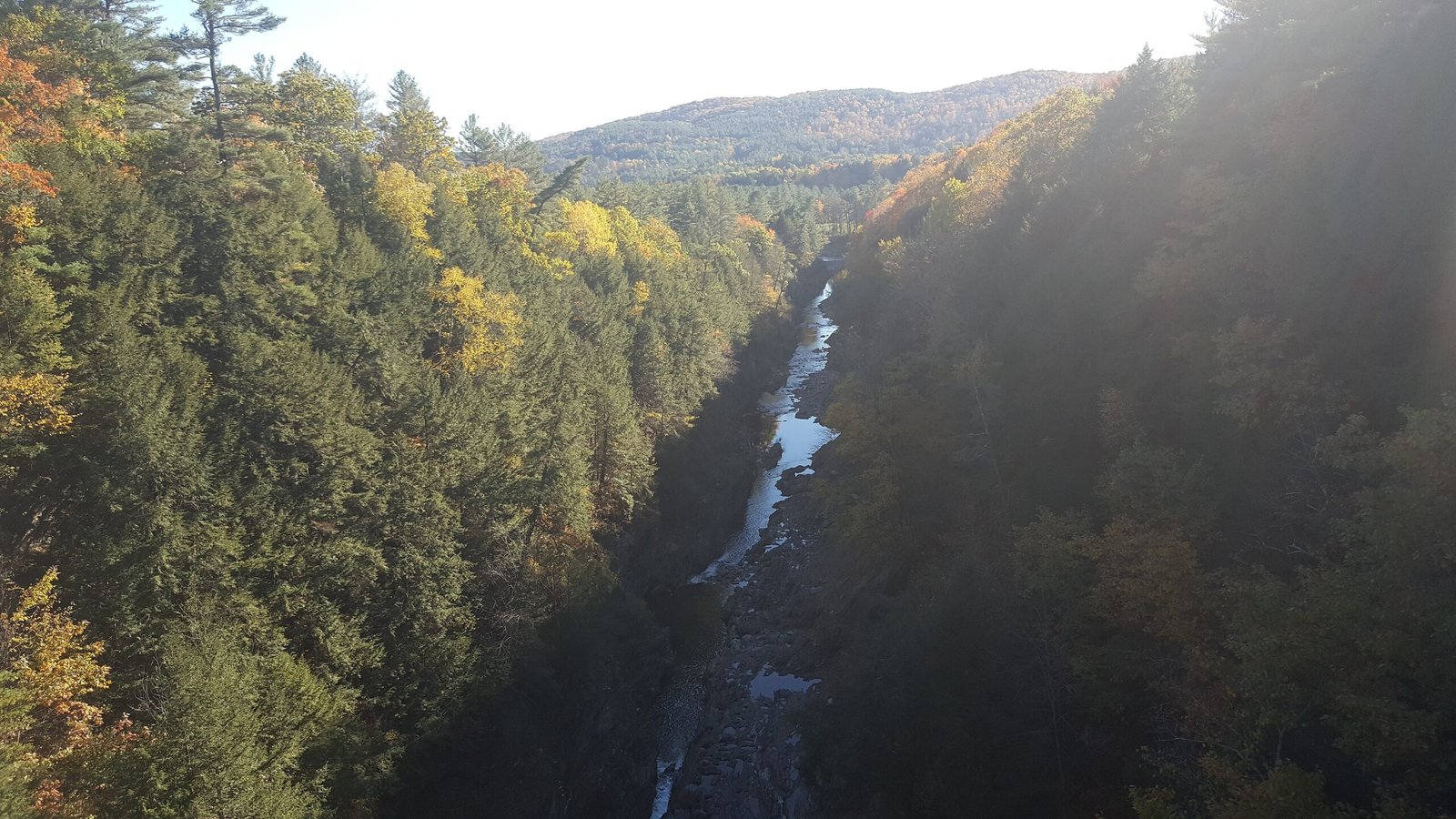
Somewhere nearby, the Ottauquechee River winds through a dramatic sandstone gorge, carving its way between steep rock walls that rise high above the water.
Later, you might follow a woodland trail to the river, stand on a bridge overlooking a breathtaking 165-foot-deep gorge, or spend the afternoon exploring the charming villages of Vermont’s Upper Valley.
And when evening arrives?
You’ll return to your campsite, prepare a simple dinner, and enjoy the quiet satisfaction of spending another day outdoors.
That’s the appeal of Quechee State Park, one of Vermont’s most memorable camping destinations.
Located near the village of Quechee in the town of Hartford, the park combines spacious woodland campsites, beautiful natural scenery, excellent hiking opportunities, and convenient access to some of New England’s most attractive small towns.
The centerpiece is Quechee Gorge, often called Vermont’s Little Grand Canyon.
But there’s much more to this campground than its famous geological landmark.
With traditional tent campsites, three-sided lean-to shelters, rustic cabins, hot showers, nature programs, and nearby attractions, Quechee offers a comfortable introduction to Vermont camping without sacrificing the authentic outdoor experience.
However, there’s one important detail to understand before reserving.
Quechee State Park is a traditional campground without electrical, water, or sewer hookups at individual sites. It’s ideal for tent campers who appreciate simplicity, but visitors should arrive prepared for basic camping rather than resort-style accommodations.
Let’s explore what makes Quechee special and how to plan an enjoyable stay.
Quechee State Park at a glance
| Feature | Details |
|---|---|
| Location | Quechee/Hartford, Windsor County, Vermont |
| Official park address | 5800 Woodstock Road, Hartford, VT 05047 |
| Campground type | Vermont state park campground |
| Setting | Wooded campground beside Quechee Gorge |
| Tent/RV campsites | 43 |
| Lean-to shelters | 7 |
| Cabins | 6 |
| Campsite hookups | None |
| Campsite features | Picnic table and fire ring with cooking grill |
| Drinking water | Shared campground water stations |
| Restrooms | Two restroom buildings with flush toilets |
| Showers | Token-operated hot showers |
| RV dump station | Yes |
| Pets | Permitted in the campground, subject to rules |
| Recreation | Hiking, fishing, picnicking, horseshoes, volleyball, nature programs |
| 2026 camping season | May 22–October 12 |
| Reservations | Online or by telephone |
| Best suited for | Tent campers, families, hikers, photographers, fall foliage enthusiasts |
Information verified against Vermont State Parks and the Vermont Department of Forests, Parks and Recreation.
What makes Quechee State Park special?
The answer begins with its extraordinary location.
Quechee State Park is home to Vermont’s deepest gorge, a dramatic natural formation created by glacial activity approximately 13,000 years ago.
The Ottauquechee River flows roughly 165 feet below the famous Route 4 bridge, offering one of the most impressive roadside views in New England.
It’s a remarkable sight.
From above, visitors can look down into the steep gorge, where the river winds between forested cliffs and enormous rock formations.
During autumn, the surrounding hardwood trees transform into brilliant shades of red, orange, and gold.
The contrast between the colorful foliage, dark rock walls, and flowing river creates spectacular scenery.
But Quechee isn’t simply a scenic overlook.
The state park protects a larger landscape of forest, trails, picnic areas, and camping facilities.
Its campground provides a convenient base for exploring the gorge and surrounding Upper Valley region.
And unlike some popular scenic destinations, you don’t have to leave the park to enjoy a peaceful night outdoors.
There’s also an interesting historical connection.
Much of the park’s land once belonged to the A. G. Dewey Company, a major wool-processing business that operated in Quechee during the nineteenth and twentieth centuries.
The company used water from the river and nearby falls to power its mill operations.
After the mill closed in 1952, the property eventually became part of a larger flood-control and recreation project.
Campground development began in the early 1960s, and Vermont assumed management of the park in 1965.
Today, visitors can still find traces of the area’s industrial past near the head of the gorge.
That combination of natural beauty, fascinating geology, and local history makes Quechee an especially rewarding destination.
Campsites and the camping experience
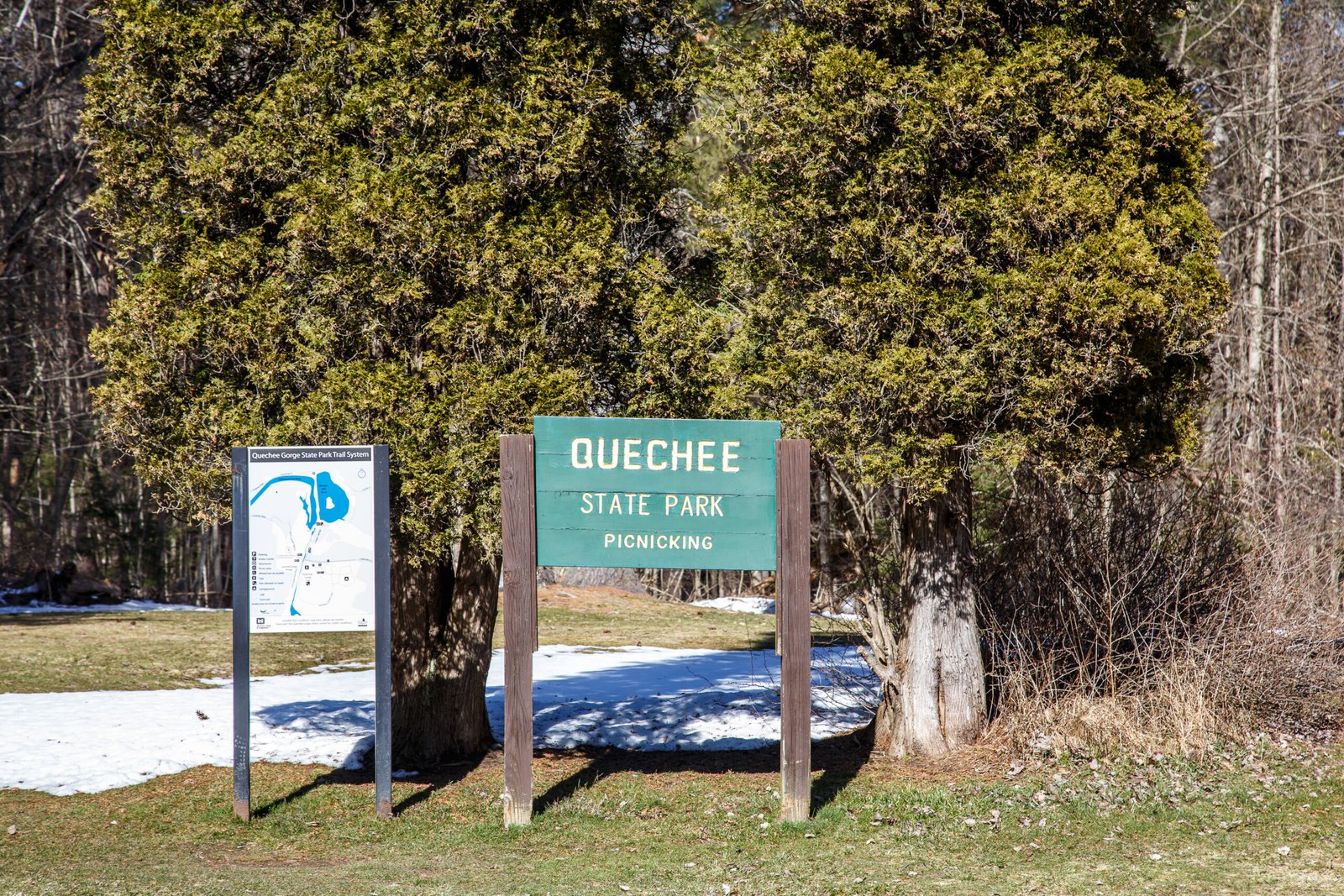
Photo: Kenneth C. Zirkel / Wikimedia Commons, CC BY 4.0
The campground occupies a wooded area near the gorge, with campsites arranged along several internal roads.
Unlike densely packed private campgrounds, Quechee offers a traditional state park environment with mature trees, natural surroundings, and sites that vary in shape, size, and privacy.
The park’s current overview lists 43 tent/RV campsites, seven lean-tos, and six cabins.
Its official campground map identifies individual sites and shared facilities, making it easier to select a location that suits your needs.
For tent campers, the atmosphere is particularly appealing.
You can set up beneath the trees, enjoy outdoor meals at your picnic table, and relax beside a campfire after exploring the park.
Each standard campsite includes a fire ring or fireplace with a cooking grill.
The campground also has shared drinking-water stations.
Choosing the right tent campsite
One of the most important considerations is the individual site’s layout.
Quechee’s campsites aren’t identical.
Some offer more shade, while others are relatively open.
Some are better suited to large family tents, while others accommodate smaller setups.
The state’s online reservation system includes photographs and descriptions of individual campsites.
These details can help you determine whether a site has enough level ground for your tent.
Before reserving, check the campsite’s listed tent capacity, surface type, shade, and proximity to neighboring sites.
Our tent camping tip: If you’re traveling with a larger cabin-style tent, choose a site specifically rated for a large tent rather than relying on the campground’s general description of spacious sites.
It’s also worth considering distance from the restroom buildings.
Families with younger children may appreciate being closer to the facilities.
Couples or solo campers seeking a quieter atmosphere may prefer a site farther from the main activity areas.
What about the lean-to shelters?
Quechee also offers seven traditional Vermont-style lean-tos.
These are three-sided shelters with a roof and an open front.
They’re particularly appealing for campers who want a little more protection from rain without renting a cabin.
You still get the sounds, smells, and atmosphere of outdoor camping.
However, you’ll need to bring your own sleeping equipment and other essentials.
Lean-tos can be an attractive option during spring and fall, when Vermont weather is less predictable.
Rustic cabins
The park also offers six cabins.
These provide a more sheltered alternative to tent camping.
They’re useful for families who want to experience the park without sleeping in a tent.
The cabins are located in wooded areas near campground facilities.
However, cabin reservations have separate rates and restrictions, including specific pet policies.
For Camping Frontier, our primary focus remains the traditional tent camping experience.
Campground amenities and facilities
Quechee offers more conveniences than some primitive campgrounds while preserving a traditional outdoor atmosphere.
The campground includes two restroom buildings with flush toilets, hot and cold running water, and token-operated hot showers.
For tent campers, having access to a hot shower after a long day of hiking is a welcome luxury.
Shower tokens can be purchased through the park’s designated sales locations.
The campground also provides drinking-water stations.
However, there are no individual electrical, water, or sewer hookups.
That means tent campers should bring battery-powered lighting, portable charging equipment, and appropriate cooking supplies.
The park has a sanitary dump station for RV travelers, but that facility isn’t especially relevant for traditional tent camping.
Recreation facilities
Quechee offers several simple recreational amenities.
A large open field provides space for games and outdoor activities.
The park also has a volleyball net and horseshoe pit.
Families can enjoy picnics, casual games, and time together without needing elaborate entertainment facilities.
The park’s campground layout also makes it convenient to walk between campsites and shared facilities.
Nature and educational programs
One particularly appealing feature is the park’s interpretive programming.
During the operating season, park interpreters may offer activities such as guided nature walks, campfire programs, nature crafts, and wildlife-related educational experiences.
These programs provide opportunities to learn more about the park’s natural and cultural history.
They’re especially valuable for families camping with children.
However, schedules vary throughout the season.
Check the park’s current event calendar or ask at the contact station after arriving.
Things to do at Quechee State Park and nearby
The campground’s greatest advantage is its access to the gorge and the surrounding Upper Valley.
Explore Quechee Gorge
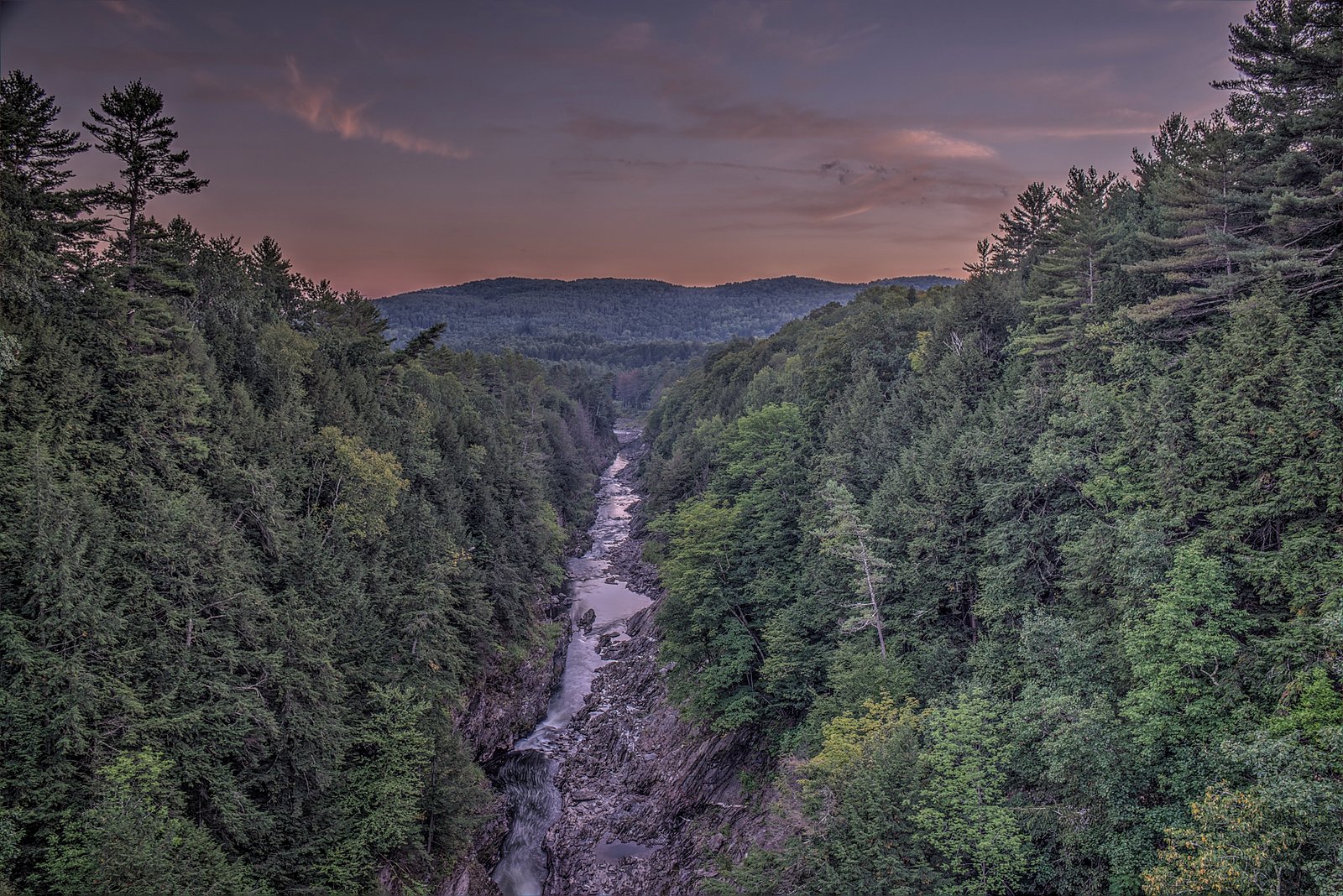
Photo: Dsdugan / Wikimedia Commons, CC BY-SA 4.0
Quechee Gorge is the attraction that draws visitors from across the region.
The gorge was carved by glacial activity and the erosive force of the Ottauquechee River.
Today, visitors can admire it from the Route 4 bridge and nearby viewpoints.
The scenery is impressive throughout the year.
In spring, flowing water and fresh greenery create a vibrant landscape.
In summer, the surrounding forest provides a beautiful green backdrop.
And during autumn, the gorge becomes one of the area’s most photographed natural attractions.
For campers staying at Quechee State Park, visiting the gorge is practically essential.
But don’t stop at the bridge.
The trail system allows you to experience the landscape from a completely different perspective.
Hike the Quechee Gorge Trail
The Quechee Gorge Trail is one of the park’s signature outdoor activities.
The official Vermont State Parks hiking guide identifies several route options.
| Trail route | Round-trip distance | Approximate time |
|---|---|---|
| Bridge to bottom of gorge | 1 mile | 1 hour |
| Visitor center to bottom of gorge | 1.5 miles | 1.5 hours |
| Bridge to Dewey’s Pond | 1.5 miles | 1 hour |
| Visitor center to Dewey’s Pond | 2 miles | 1.5 hours |
Official Vermont State Parks hiking distances. Routes are classified as moderate.
The trail descends through the forest toward the river, providing a closer look at the gorge’s towering rock walls.
It’s an excellent opportunity for photography and nature observation.
However, the descent means you’ll need to climb back uphill.
Wear sturdy hiking shoes, bring drinking water, and allow plenty of time.
The terrain can be rocky and slippery, particularly after rain.
And because the gorge contains steep drop-offs, visitors should remain on designated trails and keep children close.
Enjoy fishing along the Ottauquechee River
The Ottauquechee River provides opportunities for fishing.
Vermont State Parks identifies brook trout, rainbow trout, and brown trout among the species found in the river.
For anglers, spending a quiet morning beside the water can be a wonderful addition to a camping trip.
However, fishing regulations and license requirements apply.
Check current Vermont Fish and Wildlife regulations before casting a line.
Water levels and conditions can also change rapidly after rainfall.
Use caution near slippery rocks and fast-moving water.
Discover the surrounding Upper Valley
Quechee State Park is also a convenient base for exploring nearby Vermont communities.
The village of Quechee is known for its picturesque setting, historic buildings, and local attractions.
Woodstock, a short drive west along Route 4, is another popular destination.
Its traditional New England village atmosphere, shops, historic architecture, and surrounding countryside make it especially appealing during autumn.
Visitors interested in additional hiking and cultural attractions can explore the wider Upper Valley region.
The campground’s location near Interstate 89 makes regional sightseeing relatively convenient.
For campers planning a longer stay, it’s easy to combine outdoor recreation with visits to local shops, restaurants, and historic communities.
The best time to go camping
Quechee State Park operates seasonally.
For 2026, Vermont’s official schedule listed the campground as open from May 22 through October 12.
That means overnight camping generally runs from Memorial Day weekend through the Columbus Day/Indigenous Peoples’ Day holiday period.
Each part of the season offers a different experience.
Late spring brings fresh greenery, flowing streams, and comfortable hiking conditions.
However, nighttime temperatures can be chilly, and rain is common.
Summer is a popular time for families.
Warm weather, long daylight hours, and seasonal interpretive programs make it appealing for camping.
The gorge and nearby attractions can also become crowded during peak summer weekends.
Early autumn is particularly beautiful.
The surrounding hardwood forests begin changing color, creating spectacular scenery throughout the gorge and nearby countryside.
Late September through early October is especially attractive for foliage enthusiasts, although peak color varies from year to year.
Our recommendation: June is an excellent choice for campers who appreciate fresh greenery and pleasant hiking conditions. Late September through early October is ideal for visitors hoping to experience Vermont’s famous fall foliage.
Just remember that the campground closes in mid-October, so plan accordingly.
What we like about Quechee State Park
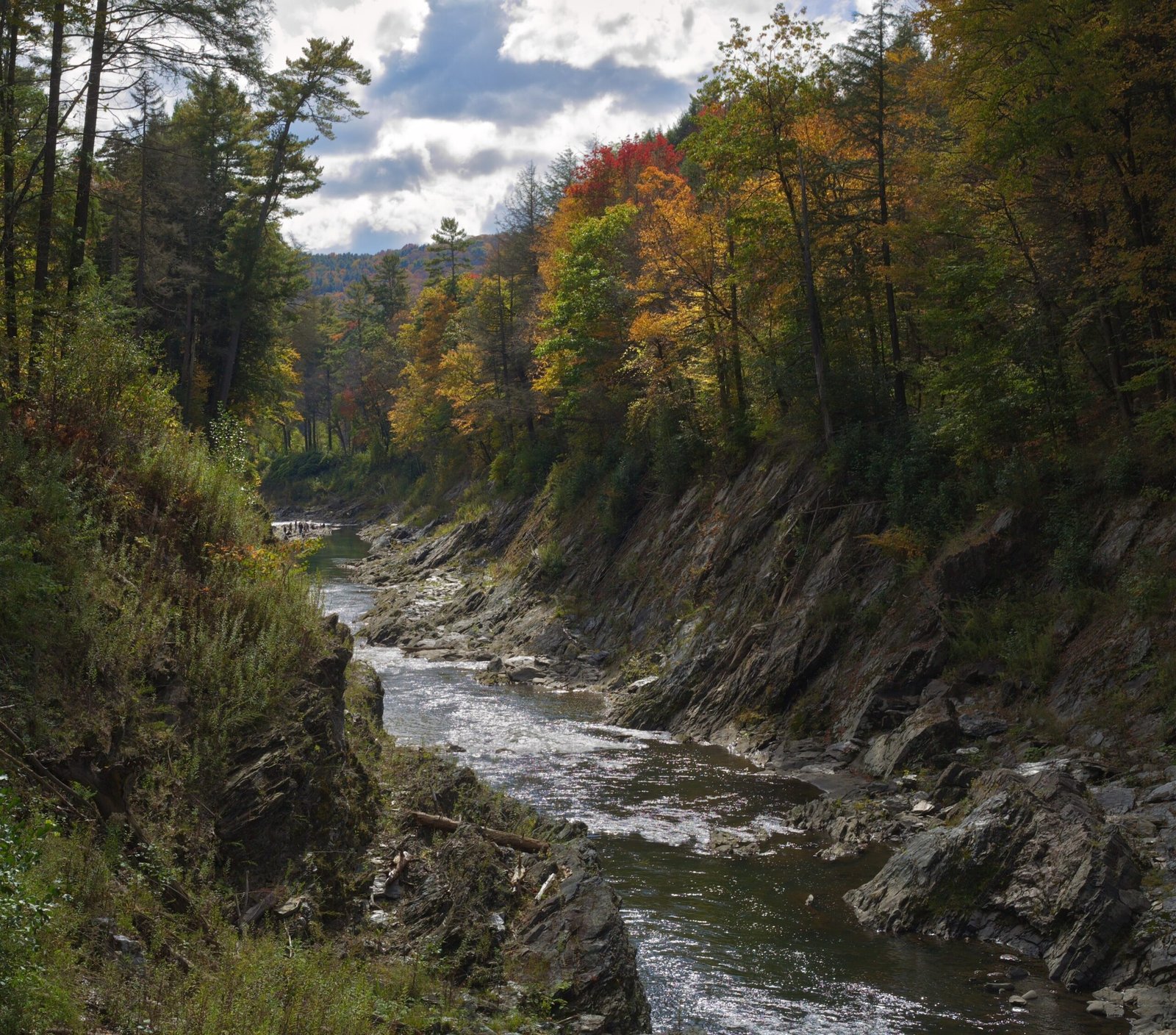
Photo: JayCubby / Wikimedia Commons, CC BY-SA 4.0
Several features make Quechee an especially appealing camping destination.
Spectacular natural scenery: Quechee Gorge is one of Vermont’s most impressive geological landmarks.
Convenient trail access: Campers can explore the gorge without traveling far from their campsite.
Traditional woodland atmosphere: Mature trees and natural surroundings create a peaceful camping environment.
Spacious campsites: Many sites provide enough room for comfortable tent setups.
Hot showers: Token-operated showers are a welcome convenience after hiking.
Multiple camping options: Tent sites, lean-tos, and cabins accommodate different preferences.
Family-friendly recreation: Open fields, volleyball, horseshoes, and interpretive programs add variety.
Excellent fall foliage: The surrounding forests are particularly beautiful during autumn.
Convenient location: Quechee and Woodstock provide nearby sightseeing opportunities.
Interesting history: The park’s connection to Vermont’s wool industry adds another dimension to the experience.
For tent campers who enjoy scenic hiking, New England landscapes, and traditional state park camping, Quechee offers plenty to appreciate.
Potential drawbacks to consider
Even a beautiful campground has limitations.
No electrical hookups: Campers must rely on battery-powered equipment and other self-contained supplies.
No individual water connections: Drinking water is available at shared stations rather than at every campsite.
Token-operated showers: Hot showers require tokens rather than being freely accessible.
Seasonal operation: Overnight camping isn’t available throughout the winter.
Popular attraction nearby: Quechee Gorge draws large numbers of visitors, particularly during summer and fall.
Potential road noise: Some campers report hearing traffic from nearby Route 4.
Variable campsite privacy: Some sites are more secluded than others.
Rocky hiking terrain: Gorge trails include slopes, rocks, and potentially slippery sections.
Steep drop-offs: Visitors must use caution near the gorge, particularly when camping with children.
Autumn demand: Fall foliage season can make reservations more competitive.
These considerations are worth understanding before booking.
However, for campers who appreciate natural scenery and traditional outdoor recreation, Quechee’s strengths are substantial.
Reservations, fees, and practical planning
Quechee State Park is operated by Vermont State Parks.
Reservations can be made online, through the state reservation call center, or directly with the park during its operating season.
Vermont allows camping reservations up to 11 months in advance on a rolling basis.
Same-day reservations may be made until 2 p.m., subject to availability.
Full payment is required when making a reservation.
Camping fees
Vermont State Parks charges different rates depending on accommodation type, residency, and other booking details.
| Accommodation | Vermont resident | Nonresident |
|---|---|---|
| Tent/RV campsite | $20 per night | $38 per night |
| Lean-to shelter | $30 per night | $49 per night |
| Rustic cabin | $60 per night | $85 per night |
Official 2026 Vermont State Parks rates, covering up to four people. Prime sites cost $2 more per night, and an $8 reservation fee applies.
Important campground rules
Reservations: Book online or through the Vermont State Parks reservation center.
Pets: Allowed at campsites, subject to leash, supervision, and cleanup rules.
Campfires: Use designated fire rings and follow current restrictions.
Firewood: Do not transport uncertified firewood into Vermont state parks from outside the state. Purchase approved local firewood.
Generators: Use only during permitted hours and follow park noise restrictions.
Quiet hours: Observe the campground’s posted quiet period.
Campsite occupancy: Check the individual site listing for the maximum number of campers and tents.
Trail safety: Stay on designated trails and use caution near cliffs and water.
Waste disposal: Use designated trash and recycling facilities.
Directions and contact information
Quechee State Park is located along U.S. Route 4 in Hartford, Vermont.
From the junction of Interstate 89 and Route 4 at Exit 1, travel approximately three miles west on Route 4.
Follow the signs for Quechee State Park.
The campground entrance is separate from some of the gorge’s popular roadside parking areas, so follow the park’s directions rather than assuming every Quechee Gorge sign leads to the campground.
Official planning information
- Address: 5800 Woodstock Road, Hartford, VT 05047
- Park telephone: 802-295-2990
- Reservation center: 888-409-7579
- Official park page: Quechee State Park
- Reservations: Vermont State Parks reservations
- Campground map: Official Quechee campground map
- Hiking information: Official hiking routes and distances
- Camping policies: Vermont State Parks camping information
Final verdict: Is Quechee State Park worth visiting?
Absolutely—especially for tent campers who appreciate beautiful New England scenery, accessible hiking trails, and a traditional woodland camping experience.
Quechee State Park offers an appealing combination of natural beauty and practical camping facilities.
The campground’s proximity to Vermont’s deepest gorge makes it particularly memorable.
You can spend your morning exploring forest trails, enjoy lunch beside the river, and spend the afternoon discovering nearby villages.
Then return to your campsite for a relaxing evening beneath the trees.
The availability of flush toilets, hot showers, drinking water, and recreational facilities adds convenience without turning the park into a commercial resort.
However, visitors should understand that Quechee is a traditional campground without individual hookups.
And because the gorge is such a popular attraction, some areas may experience increased visitor traffic during peak periods.
But for campers who enjoy hiking, photography, fall foliage, and peaceful woodland surroundings, Quechee offers a rewarding Vermont getaway.
Camping Frontier’s recommendation: Quechee State Park is an excellent choice for tent campers seeking a scenic New England escape. Reserve a campsite that suits your tent and privacy preferences, bring appropriate clothing for changing Vermont weather, and allow at least two or three days to explore Quechee Gorge, the surrounding trails, and nearby Upper Valley communities.
Liked this? Get one like it every week.
Practical camping guides, gear picks and campground reviews, in your inbox once a week, plus the free First Camping Trip Checklist when you join. See what's inside.
Free. One email a week. Unsubscribe anytime.