Cottonwood Campground Review: Unforgettable Badlands Camping in Theodore Roosevelt National Park, North Dakota
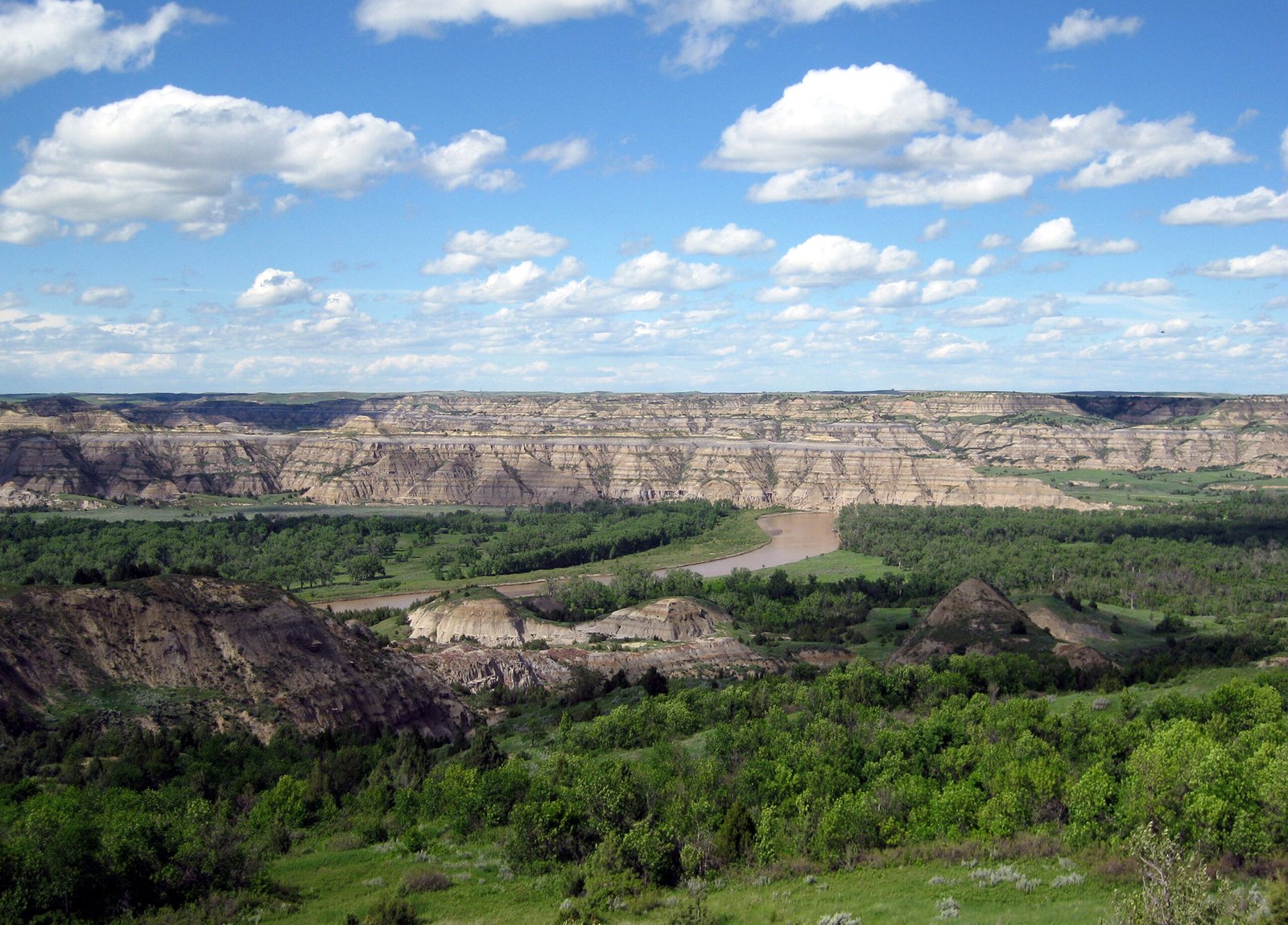
Featured image: Photo: NPS/Mark Hoffman / Wikimedia Commons, Public domain
Imagine waking up beneath towering cottonwood trees as the first rays of sunlight illuminate the rugged hills of North Dakota’s Badlands.
The morning air is cool and peaceful. Somewhere in the distance, birds are calling, and the surrounding landscape is beginning to glow with shades of gold, orange, and red.
You step outside your tent, pour a cup of coffee, and discover that a herd of bison is grazing in the distance.
There’s no need to drive for hours to find spectacular scenery. You’re already surrounded by it.
That’s what makes Cottonwood Campground in Theodore Roosevelt National Park such an extraordinary place to camp.
Located inside the park’s South Unit, just a few miles from the small western town of Medora, Cottonwood offers a remarkable combination of shaded campsites, dramatic Badlands scenery, abundant wildlife, and access to some of North Dakota’s most memorable hiking trails.
It’s a place where you can spend your morning exploring colorful rock formations, your afternoon watching prairie dogs and wild horses, and your evening beneath an enormous star-filled sky.
And unlike many popular national park campgrounds, Cottonwood remains open throughout the year.
But don’t mistake that accessibility for a luxury camping experience.
Cottonwood is a traditional national park campground with no electrical hookups, no showers, and limited services outside the main camping season.
For tent campers who appreciate spectacular scenery and genuine outdoor adventure, however, those limitations may be a small price to pay.
Let’s explore what makes Cottonwood special—and what you should know before reserving your campsite.
Cottonwood Campground at a glance
| Feature | Details |
|---|---|
| Location | Theodore Roosevelt National Park, South Unit |
| Nearest town | Medora, North Dakota |
| Campground type | Developed national park campground |
| Setting | Cottonwood trees, Little Missouri River valley, Badlands scenery |
| Total campsites | 76, including a group site |
| Tent-only sites | 12 walk-to sites |
| Camping options | Tents, trailers, and RVs at appropriate sites |
| Electrical hookups | None |
| Campsite amenities | Picnic tables and cooking grills |
| Restrooms | Flush toilets seasonally; vault toilets when water systems are closed |
| Showers | None |
| Drinking water | Seasonal |
| Dump station | None |
| Activities | Hiking, wildlife watching, scenic drives, photography, stargazing |
| Pets | Allowed in developed areas, subject to park restrictions |
| Operating season | Year-round, with reduced winter facilities |
| Reservations | Required through Recreation.gov |
| Best suited for | Tent campers, hikers, wildlife enthusiasts, photographers |
Details verified against the National Park Service and Recreation.gov. Importantly, the park changed its reservation policy in 2026: individual campsites now require advance reservations rather than operating on a first-come, first-served basis.
What makes Cottonwood Campground special?
The setting is unlike almost anywhere else in the country.
Cottonwood Campground sits within the Little Missouri River valley, surrounded by the distinctive terrain of North Dakota’s Badlands.
Here, the landscape features colorful rock layers, eroded buttes, rolling grasslands, and rugged hills that seem to stretch endlessly toward the horizon.
It’s an environment shaped by millions of years of erosion.
The result is a fascinating combination of geological formations, open prairie, and river-bottom vegetation.
The campground itself benefits from mature cottonwood trees that provide welcome shade during the warmer months.
That’s particularly valuable because much of the surrounding Badlands landscape is relatively exposed.
The trees create a pleasant contrast with the open hills and grasslands beyond the campground.
But perhaps the most memorable feature is the wildlife.
Theodore Roosevelt National Park is home to bison, wild horses, prairie dogs, mule deer, pronghorn, and numerous bird species.
Wildlife sightings are a major attraction, and bison sometimes wander through or near the campground.
That creates remarkable opportunities for observation and photography—but also requires visitors to maintain a safe distance.
The campground’s location inside the national park is another major advantage.
Instead of driving into the park each morning, you’re already there.
And because the South Unit offers scenic drives, hiking trails, overlooks, and wildlife viewing, it’s easy to fill several days with outdoor adventures.
Campsites and the camping experience
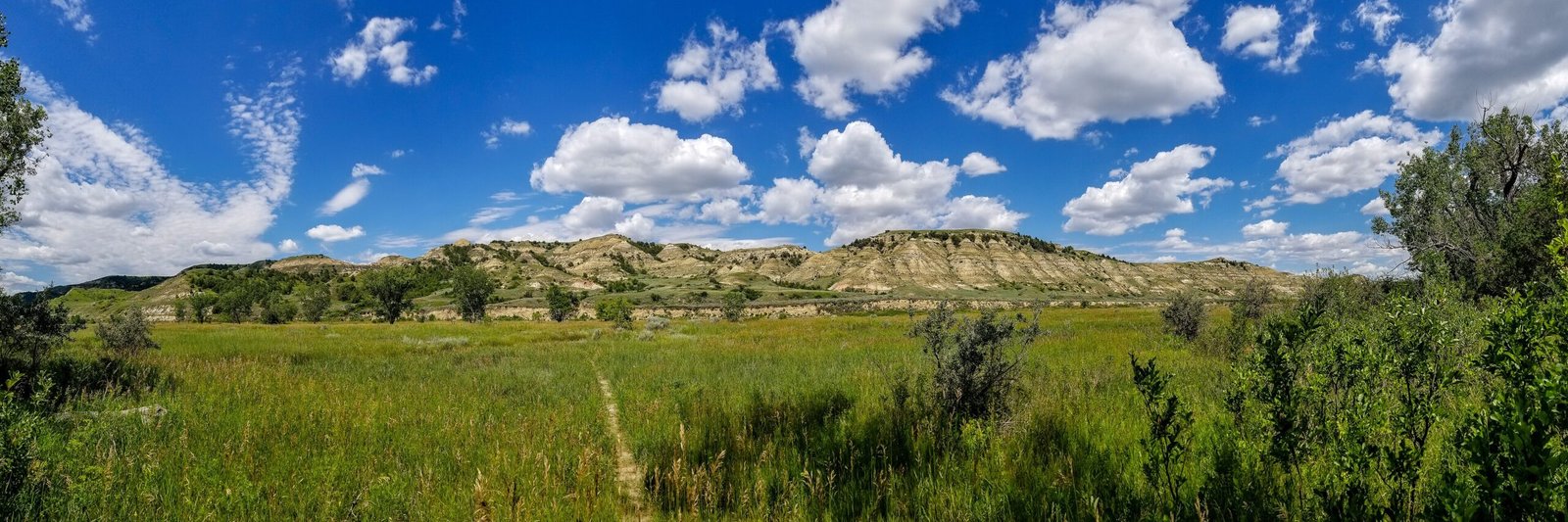
Photo: Andrew Parlette from Elkridge,MD, US / Wikimedia Commons, CC BY 2.0
Cottonwood Campground contains 76 sites, including a group campsite.
The campground is divided into North and South loops.
Most standard campsites can accommodate tents, while some also accommodate trailers and RVs.
For tent campers seeking a quieter, more traditional experience, the campground offers 12 designated walk-to tent sites.
These sites require carrying your equipment a short distance from the parking area.
That extra effort may be worthwhile if you prefer a camping experience with fewer vehicles immediately beside your tent.
The walk-to sites are numbered 55 through 66 and are located in the South Loop.
Each is limited to one passenger vehicle, and trailers or oversized vehicles aren’t permitted at those sites.
Standard campsites generally provide a picnic table and a cooking grill.
The National Park Service lists back-in sites that fit rigs of roughly 20 to 40 feet, and many pull-through sites exceed 50 feet.
However, individual sites vary in shade, exposure, privacy, and proximity to campground facilities.
Some sites sit beneath substantial tree cover, while others are more open to the surrounding landscape.
That difference matters during summer.
North Dakota’s Badlands can experience hot daytime temperatures, strong sunshine, and substantial wind.
A shaded campsite can be considerably more comfortable during the afternoon.
On the other hand, more open sites may offer beautiful views of the surrounding hills.
Our tent camping tip: If you’re visiting during July or August, consider prioritizing shade and wind protection when choosing a site. Review the individual campsite photographs on Recreation.gov before booking.
Because the campground doesn’t provide electrical hookups, you’ll need to bring battery-powered lighting and portable charging equipment.
Tent campers should also prepare for changing weather.
Even during summer, temperatures can drop noticeably after sunset.
A reliable three-season tent, a comfortable sleeping pad, and layered clothing will make your stay more enjoyable.
What about the walk-to tent sites?
The 12 walk-to sites are particularly interesting for visitors who prefer tent camping over RV-oriented accommodations.
They’re designed for people who don’t mind carrying equipment from a nearby parking area.
That makes them a good option for campers with relatively compact gear.
However, these aren’t remote backcountry campsites.
They’re still part of the developed Cottonwood Campground and provide access to its shared facilities.
If you’re traveling with large coolers, heavy tents, or substantial cooking equipment, consider how much gear you’ll need to carry before reserving one of these sites.
Campground amenities and facilities
Cottonwood offers the essential facilities for a traditional national park camping experience.
During the main camping season, visitors generally have access to flush toilets and drinking-water facilities.
However, water service is seasonal.
The National Park Service notes that potable water may not be available at the beginning of May or after approximately October 1, depending on weather conditions.
When the water system is closed, vault toilets remain available.
That distinction is important for campers visiting in spring, autumn, or winter.
Don’t assume drinking water will be available simply because the campground is open.
Bring sufficient water if you’re traveling outside the main season, and check current facility conditions before departure.
Cottonwood does not provide showers, laundry facilities, electrical hookups, or a dump station.
There is also no campground store, and firewood isn’t sold within the park.
For groceries, fuel, firewood, and other supplies, Medora is the closest practical destination.
The campground has trash and recycling facilities, and a seasonal amphitheater provides space for ranger programs when offered.
Cell phone reception and internet connectivity are unreliable.
For many campers, that lack of connectivity is part of the appeal.
However, if you need dependable communication for work, family, or emergencies, prepare accordingly.
Download maps and reservation information before arriving.
Things to do at Theodore Roosevelt National Park
One of the greatest advantages of staying at Cottonwood is having the South Unit’s remarkable scenery and wildlife so close to your campsite.
Explore the South Unit Scenic Drive
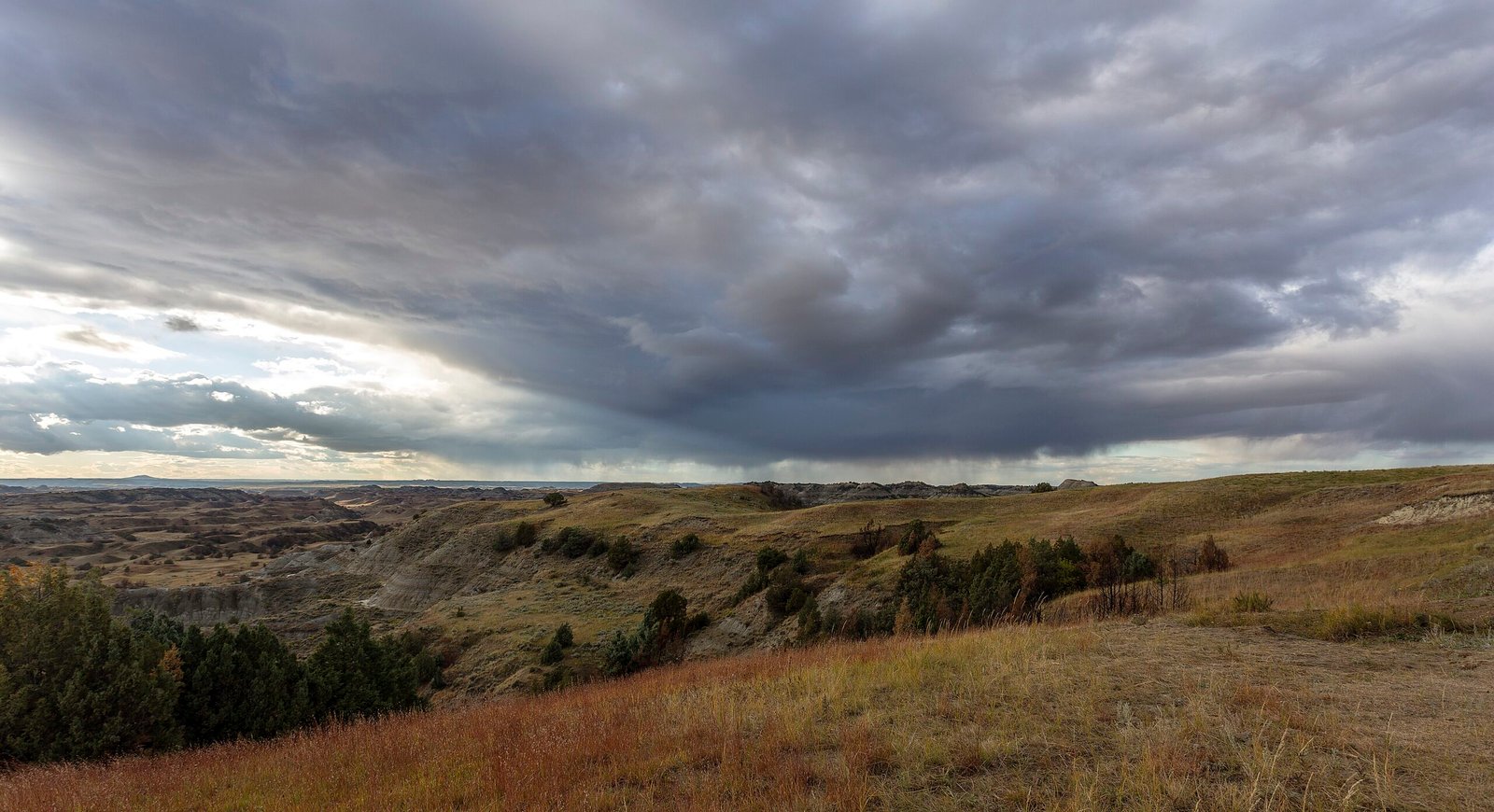
Photo: Acroterion / Wikimedia Commons, CC BY-SA 4.0
The South Unit Scenic Drive is one of the park’s signature experiences.
The route winds through a landscape of colorful hills, grasslands, and eroded rock formations.
Along the way, visitors can stop at overlooks, explore short trails, and watch for wildlife.
Bison are frequently seen throughout the park.
Wild horses, prairie dogs, and mule deer may also appear along the route.
For photographers, the changing light creates wonderful opportunities.
Early morning and late afternoon are particularly attractive times to explore, when shadows emphasize the contours of the Badlands.
The National Park Service describes the scenic route as approximately 36 miles, although road conditions and temporary closures can affect access.
In recent years, portions of the road have been affected by erosion and reconstruction work.
Check current road conditions before planning a complete loop drive.
Hike the Wind Canyon Trail
One of the park’s most rewarding short hikes is the Wind Canyon Trail.
This approximately 0.4-mile trail leads to scenic views overlooking the Little Missouri River valley.
The route is relatively short, making it appealing for visitors who want spectacular scenery without committing to a long hike.
Sunset can be particularly beautiful here.
As the sun drops toward the horizon, the surrounding hills take on warm colors, and the river valley becomes a dramatic landscape of light and shadow.
For campers staying at Cottonwood, it’s a wonderful evening excursion.
Bring a flashlight if you’re planning to remain until sunset, and stay on the designated trail.
Discover the Coal Vein Trail
The Coal Vein Trail provides an opportunity to learn about the geology and natural history of the Badlands.
The trail is approximately 0.8 miles long and passes through an area shaped by unusual geological processes.
Interpretive information explains the landscape and the history of a coal seam that once burned underground.
It’s an interesting option for campers who enjoy learning about the natural forces that created the surrounding terrain.
The route includes uneven surfaces and steps, so wear appropriate footwear.
Visit the Painted Canyon Overlook
Painted Canyon is one of the park’s most recognizable viewpoints.
Located near Interstate 94, the overlook provides sweeping views of colorful Badlands formations.
It’s an excellent stop for photography, especially when the morning or evening light highlights the landscape.
The Painted Canyon area also includes a visitor center and access to a nature trail.
However, it isn’t the main entrance to the South Unit.
Visitors should enter the park through Medora when traveling to Cottonwood Campground.
Watch for bison and wild horses
Wildlife watching is one of Theodore Roosevelt National Park’s greatest attractions.
Bison roam throughout the South Unit and may be visible along roads, trails, and occasionally near campsites.
Wild horses are another memorable sight.
The park’s prairie dog towns also provide entertaining opportunities to observe these small, social animals.
However, all wildlife should be treated as wild and potentially dangerous.
Never approach bison, horses, or other animals for photographs.
Use binoculars or a telephoto lens to observe from a safe distance.
If an animal approaches your campsite, remain calm, give it plenty of space, and never attempt to feed or touch it.
Enjoy the night sky
One of Cottonwood’s most appealing features becomes apparent after sunset.
Away from major cities, the North Dakota Badlands offer opportunities to enjoy a remarkably dark night sky.
On clear evenings, stars fill the sky, creating beautiful conditions for stargazing.
Bring a reclining camp chair, a warm jacket, and a red-light flashlight.
You don’t need an expensive telescope to enjoy the experience.
Sometimes the most memorable part of a camping trip is simply sitting quietly beneath the stars.
The best time to go camping
Cottonwood Campground is open year-round, but the experience changes dramatically with the seasons.
Spring brings fresh vegetation, active wildlife, and comfortable hiking temperatures. However, strong winds, rain, and cold nights are possible.
Summer is the busiest camping season. Long daylight hours provide plenty of time for hiking and sightseeing, but daytime temperatures can become very hot.
Fall is particularly attractive. Cooler temperatures, golden cottonwood leaves, and fewer visitors can create a wonderful camping atmosphere.
Winter offers solitude and dramatic scenery, but conditions can be extremely cold, with snow, ice, and reduced campground services.
For tent campers, late May through June and September through early October are especially appealing periods.
These months often provide a comfortable balance between daytime temperatures and outdoor recreation.
However, early-season and late-season visitors must verify drinking-water availability.
Our recommendation: September is an excellent month to consider if you’re looking for pleasant hiking weather, beautiful Badlands scenery, and a quieter campground atmosphere.
What we like about Cottonwood Campground
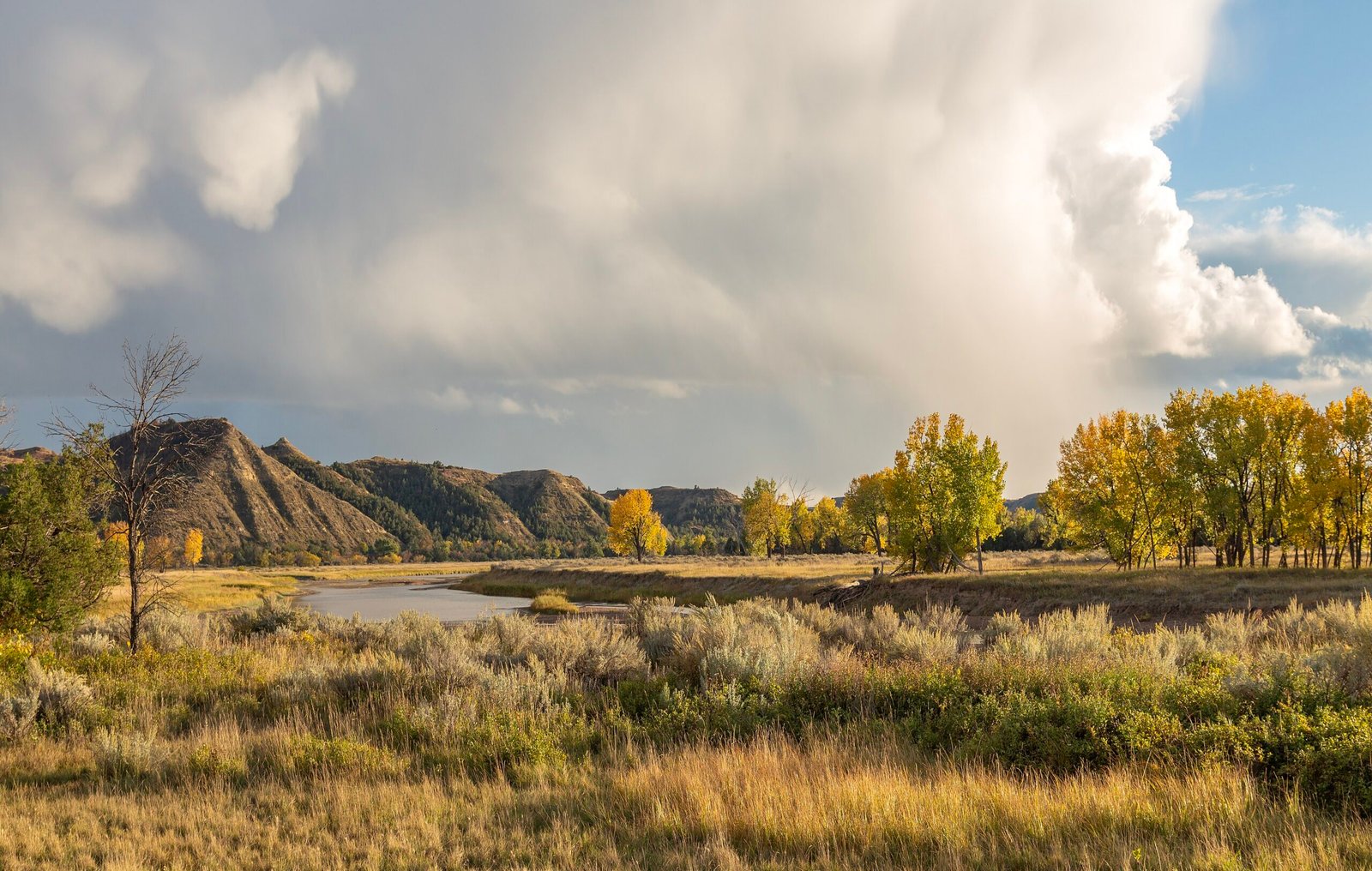
Photo: Acroterion / Wikimedia Commons, CC BY-SA 4.0
Several features make Cottonwood a standout destination.
Spectacular Badlands scenery: Colorful hills, river valleys, and rugged rock formations create a unique camping environment.
Abundant wildlife: Bison, wild horses, prairie dogs, and other animals make wildlife watching especially rewarding.
Convenient national park location: Staying inside the South Unit makes it easy to explore without a long daily drive.
Dedicated tent sites: Twelve walk-to sites provide an appealing alternative to standard vehicle-accessible campsites.
Shaded camping areas: Mature cottonwood trees provide welcome protection from the summer sun.
Excellent hiking: Short nature trails and longer backcountry routes offer something for different experience levels.
Dark night skies: Stargazing can be a highlight of the camping experience.
Year-round access: The campground remains open beyond the main summer season.
Memorable atmosphere: Few campgrounds offer the same combination of Badlands scenery, wildlife, and peaceful outdoor surroundings.
For campers who value scenery and wildlife over luxury amenities, Cottonwood is an outstanding destination.
Potential drawbacks to consider
Cottonwood’s natural setting is exceptional, but visitors should prepare for several limitations.
No showers: Campers need to plan for a stay without shower facilities.
Seasonal drinking water: Potable water may be unavailable during spring, autumn, and winter.
No electrical hookups: All campsites require a self-sufficient camping setup.
Limited connectivity: Cell phone reception and internet service are unreliable.
Strong winds: The Badlands can experience significant wind, making proper tent setup essential.
Summer heat: Daytime temperatures can become uncomfortable, particularly at exposed campsites.
Wildlife precautions: Bison may enter the campground, requiring visitors to maintain a safe distance.
Popular summer dates: Campsites often fill during the main travel season.
Limited nearby supplies: Medora has some services, but grocery options are relatively limited.
Potential road closures: Erosion and roadwork may affect portions of the South Unit Scenic Drive.
None of these drawbacks should discourage properly prepared campers.
However, Cottonwood is best suited to visitors who enjoy traditional camping and are comfortable with a relatively simple set of facilities.
Reservations, fees, and practical planning
Cottonwood Campground is managed by the National Park Service.
One of the most important recent changes involves reservations.
Beginning May 1, 2026, all Cottonwood campsites require reservations through Recreation.gov.
This replaces the campground’s previous first-come, first-served arrangement.
Reservations for standard campsites can be made up to six months in advance.
The group campsite has a separate reservation process, with bookings opening on the first business day of March.
The campground is particularly popular from mid-May through mid-September, so booking ahead is strongly recommended.
Camping fees
The National Park Service publishes the following campsite fees:
| Fee category | Published rate |
|---|---|
| Standard campsite, summer (May–September) | $20 per night |
| Standard campsite, winter (October–April) | $10 per night |
| Senior and Access Pass holders | Half price on standard sites |
| Group campsite | $60 per night |
| National park entrance | Separate entrance fee or qualifying federal pass |
The park’s standard private-vehicle entrance fee is $30 for a seven-day visit, although eligible federal recreation passes may cover the entrance charge.
Because campsite prices and reservation charges can change, confirm the total cost for your specific dates before booking.
Important campground rules
Reservations: All sites require reservations through Recreation.gov.
Campsite occupancy: Standard sites allow up to six people and two vehicles. Walk-to sites have a one-vehicle limit.
Check-in and checkout: Noon is the standard checkout time; check-in procedures are provided with reservations.
Maximum stay: During May through October, campers are generally limited to 14 nights at Cottonwood and 30 total nights per calendar year.
Generators: Permitted from 8 a.m. to 8 p.m., with appropriate mufflers.
Campfires: Fires must remain in designated grills or approved contained fire pans. Restrictions may apply during dry weather.
Checkout: Noon.
Firewood: Firewood isn’t sold within the park. Purchase it locally rather than transporting it from distant locations.
Pets: Pets must remain leashed and are restricted from most hiking trails. Never leave pets unattended around wildlife.
Wildlife: Maintain a safe distance from bison and other animals, and never feed wildlife.
Directions and contact information
Cottonwood Campground is located inside the South Unit of Theodore Roosevelt National Park.
From Interstate 94, take the appropriate exit for Medora and enter the South Unit.
Follow the park’s scenic drive, also known as East River Road, for approximately 5.5 miles.
The campground entrance is on the left.
Medora is approximately 133 miles west of Bismarck and 27 miles east of the Montana state line.
Official planning information
- Location: Theodore Roosevelt National Park, South Unit, Medora, ND 58645
- Park telephone: 701-623-4466
- Reservation telephone: 877-444-6777
- Official campground page: Cottonwood Campground — National Park Service
- Reservations: Reserve Cottonwood Campground
- Group campsite: Cottonwood Group Site reservations
- Park information: Theodore Roosevelt National Park
Final verdict: Is Cottonwood Campground worth visiting?
Absolutely—especially for tent campers who appreciate spectacular scenery, abundant wildlife, and an authentic national park camping experience.
Cottonwood Campground offers something that many campgrounds simply cannot match: the opportunity to spend the night surrounded by the dramatic beauty of North Dakota’s Badlands.
Its shaded campsites, dedicated walk-to tent sites, nearby hiking trails, and remarkable wildlife viewing opportunities make it an outstanding destination for nature lovers.
The campground’s location inside Theodore Roosevelt National Park also means you can begin exploring almost as soon as you leave your tent.
However, the absence of showers, electrical hookups, and year-round drinking-water service requires careful preparation.
And because reservations are now required, spontaneous arrivals are no longer a reliable option.
But for campers willing to embrace a simpler outdoor experience, Cottonwood delivers something truly memorable.
Camping Frontier’s recommendation: Cottonwood Campground is an excellent choice for tent campers who want to experience the rugged beauty of Theodore Roosevelt National Park. Reserve early, choose a site that suits your equipment and preferred level of shade, prepare for changing weather, and allow plenty of time for wildlife watching, scenic drives, hiking, and stargazing.
Liked this? Get one like it every week.
Practical camping guides, gear picks and campground reviews, in your inbox once a week, plus the free First Camping Trip Checklist when you join. See what's inside.
Free. One email a week. Unsubscribe anytime.