Gerstle Cove Campground Review: Spectacular Coastal Tent Camping at Salt Point State Park, California
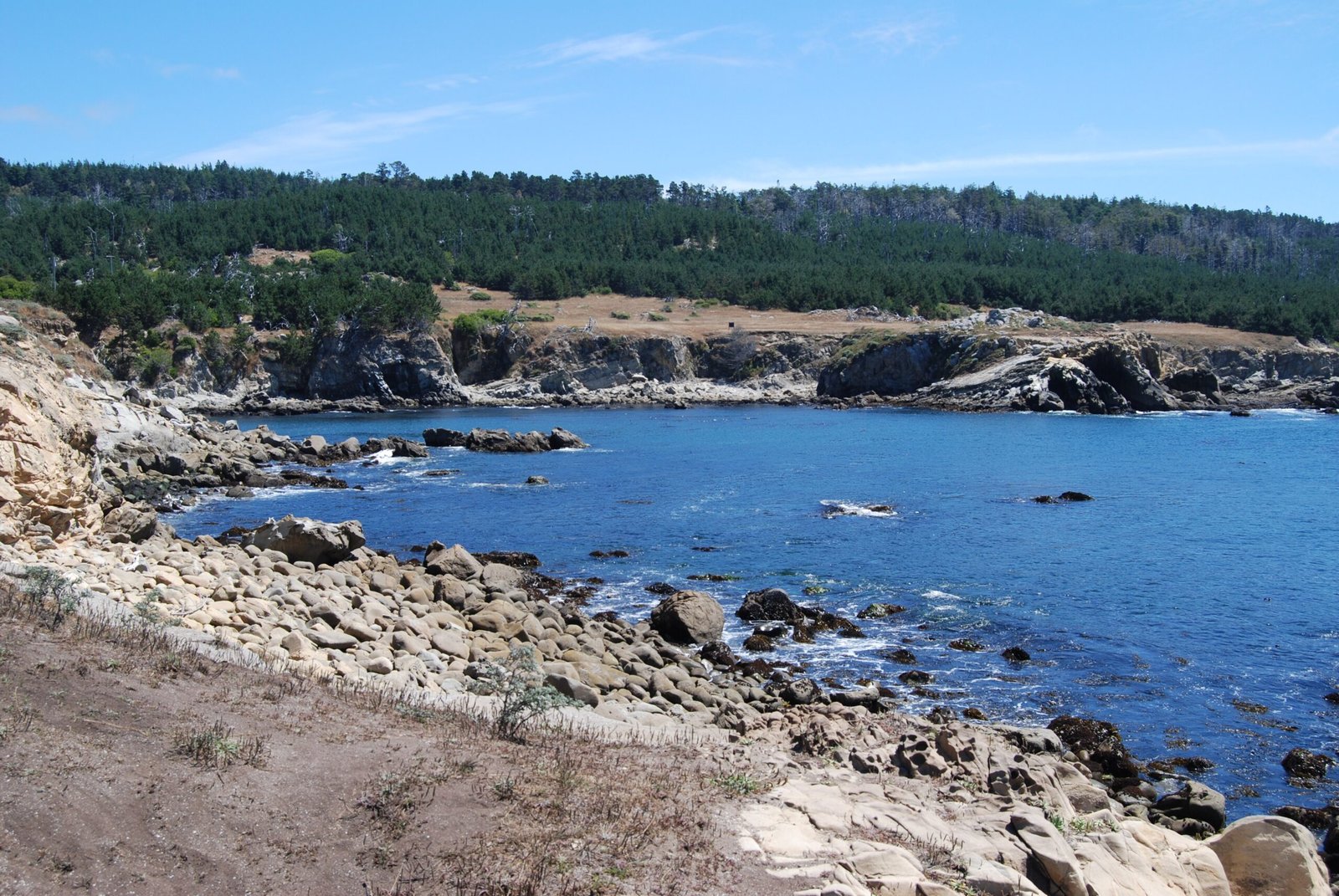
Featured image: Photo: Kglavin / Wikimedia Commons, CC BY 2.5
Imagine waking up to the distant sound of Pacific Ocean waves crashing against rocky cliffs. A cool coastal breeze moves through your campsite, seabirds circle overhead, and a thin layer of morning fog drifts across the landscape.
You unzip your tent, pour yourself a hot cup of coffee, and realize that one of California’s most beautiful stretches of coastline is practically on your doorstep.
That’s the experience that makes Gerstle Cove Campground at Salt Point State Park such an appealing destination.
Located along Highway 1 on the rugged Sonoma Coast, Gerstle Cove offers something quite different from the towering redwood forests and sunny inland lakes that many people associate with California camping.
Here, the landscape is shaped by wind, waves, sandstone cliffs, coastal grasslands, and the endless blue of the Pacific.
The campground itself is relatively small, with just 30 family campsites. That gives it a more intimate atmosphere than many of California’s larger coastal camping destinations.
And while the facilities are fairly basic, the surrounding natural beauty more than makes up for the absence of luxury amenities.
For tent campers who love dramatic scenery, coastal hiking, wildlife watching, and peaceful evenings outdoors, Gerstle Cove deserves serious consideration.
But there’s one thing you should know before packing your tent: the Sonoma Coast can be surprisingly cold, windy, and foggy, even during summer.
Let’s explore what makes this campground special and how to prepare for a comfortable stay.
Gerstle Cove Campground at a glance
| Feature | Details |
|---|---|
| Location | Salt Point State Park, near Jenner, California |
| Address | 25050 Highway 1, Jenner, CA 95450 |
| Campground type | California state park campground |
| Setting | Coastal bluffs overlooking the Pacific Ocean |
| Campsites | 30 family campsites |
| Camping options | Tent camping and appropriately sized camping vehicles |
| Electrical hookups | None |
| Campsite amenities | Picnic table, fire ring, food storage locker |
| Restrooms | Available |
| Showers | Not available |
| Drinking water | Shared water spigots throughout campground |
| Activities | Hiking, tidepool observation, photography, wildlife watching |
| Pets | Allowed in designated areas with restrictions |
| Season | Open year-round |
| Reservations | ReserveCalifornia |
| Published nightly rate | $35, plus applicable fees |
| Best suited for | Tent campers, coastal hikers, nature photographers, peaceful getaways |
Information checked against California State Parks’ official camping information, campground map, and published fees.
What makes Gerstle Cove Campground special?
The setting is extraordinary.
Gerstle Cove sits on the ocean side of Highway 1, perched above a rugged stretch of coastline where rocky headlands, small coves, and powerful Pacific waves create an unforgettable landscape.
Unlike a campground tucked deep within a forest, Gerstle Cove feels connected to the ocean.
Even when you can’t see the water directly from your tent, the coastal environment is unmistakable.
You’ll encounter wind-shaped vegetation, salt air, open skies, and dramatic changes in light as fog moves across the bluffs.
The campground is also part of the approximately 6,000-acre Salt Point State Park, which protects more than six miles of rugged coastline and offers over 20 miles of hiking trails.
The landscape is remarkably diverse.
Within the same park, you can explore rocky shorelines, coastal grasslands, forested hills, sandstone formations, and even a fascinating pygmy forest.
One of the most unusual features is the park’s sandstone.
Over thousands of years, wind and water have sculpted portions of the rock into intricate honeycomb-like patterns known as tafoni.
These natural formations are a favorite subject for photographers and geology enthusiasts.
And because Gerstle Cove is relatively small, the camping experience feels more connected to the surrounding landscape than to campground entertainment facilities.
It’s a place to slow down, explore, and appreciate the beauty of Northern California’s coastline.
Campsites and the camping experience
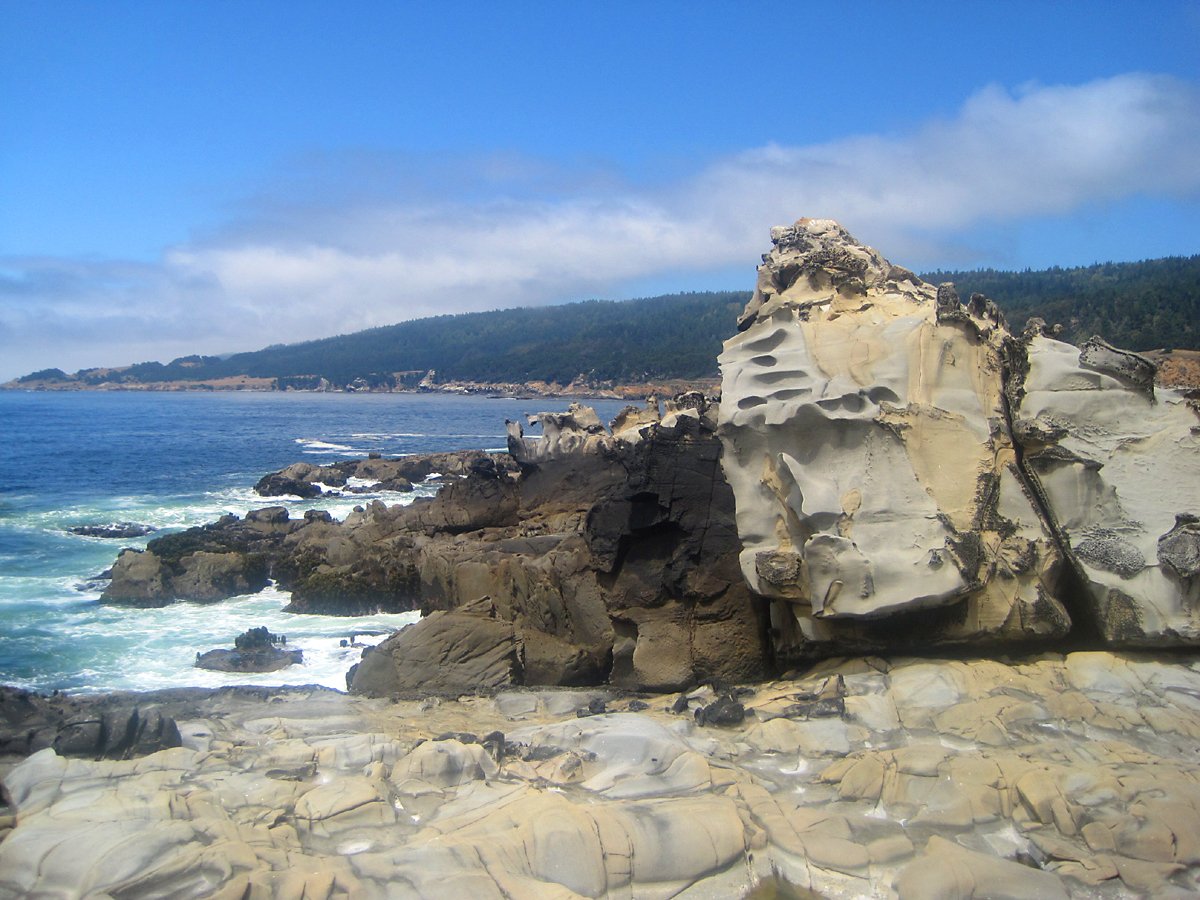
Photo: Angrylambie / Wikimedia Commons, Public domain
Gerstle Cove Campground has 30 family campsites, numbered 1 through 30.
The campground is situated on the western side of Highway 1, with convenient access to the nearby cove and coastal trails.
California State Parks lists maximum lengths of 31 feet for trailers and 36 feet for campers and motorhomes.
Each campsite includes a picnic table, a fire ring, and a food storage locker.
Drinking-water spigots are distributed throughout the campground, so visitors don’t have to bring every gallon of water they’ll need.
For tent campers, the main attraction is the opportunity to sleep close to the Pacific Ocean without sacrificing basic campground conveniences.
However, Gerstle Cove isn’t the same as pitching a tent in a sheltered forest.
Some sites are relatively exposed to coastal wind, and vegetation may provide less protection than you’d find at an inland campground.
That makes your tent choice particularly important.
A sturdy three-season tent with a properly secured rainfly is a good starting point.
Bring strong stakes, additional guylines, and a groundsheet or footprint appropriate for your tent.
Because the campground is located along the coast, morning moisture and fog are common possibilities.
You may wake up to damp conditions even when no rain has fallen.
It’s also worth reviewing the individual campsite photographs before booking.
Some sites provide more privacy or a more convenient layout than others.
California State Parks identifies campsites 7, 8, and 24 as accessible sites, with accessible features available nearby.
Our tent camping tip: Don’t choose a campsite based only on how close it appears to the ocean. Consider wind exposure, tent placement, nearby vegetation, and proximity to restrooms and water.
For campers who enjoy falling asleep to coastal sounds and waking up surrounded by natural scenery, Gerstle Cove offers a memorable experience.
Campground amenities and facilities
Gerstle Cove provides the essentials for traditional tent camping, but it isn’t a resort-style campground.
You’ll find restrooms, drinking-water facilities, picnic tables, food lockers, and fire rings.
The campground also provides trash disposal areas.
One important limitation is the absence of showers.
If you’re planning a longer stay, you’ll need to make arrangements for personal hygiene without relying on a campground shower building.
A portable wash basin, biodegradable soap used away from natural waterways, and a supply of clean water can make a short stay more comfortable. Dispose of wash water according to park rules.
There are also no electrical hookups.
For tent campers, that generally isn’t a major problem, but it does mean you’ll need battery-powered lighting and portable charging equipment.
Campfires are permitted in designated fire rings when restrictions allow.
The park sells firewood from 4 to 7 p.m. at $15 per bundle, although availability can vary.
Gathering firewood within the park is prohibited.
For campers who appreciate simple facilities and a natural setting, the campground offers a comfortable balance.
But visitors expecting hot showers, a swimming pool, or a camp store stocked with extensive supplies should adjust their expectations.
Things to do at Salt Point State Park
One of the best reasons to camp at Gerstle Cove is the remarkable variety of outdoor activities available nearby.
Explore Gerstle Cove and the rocky shoreline
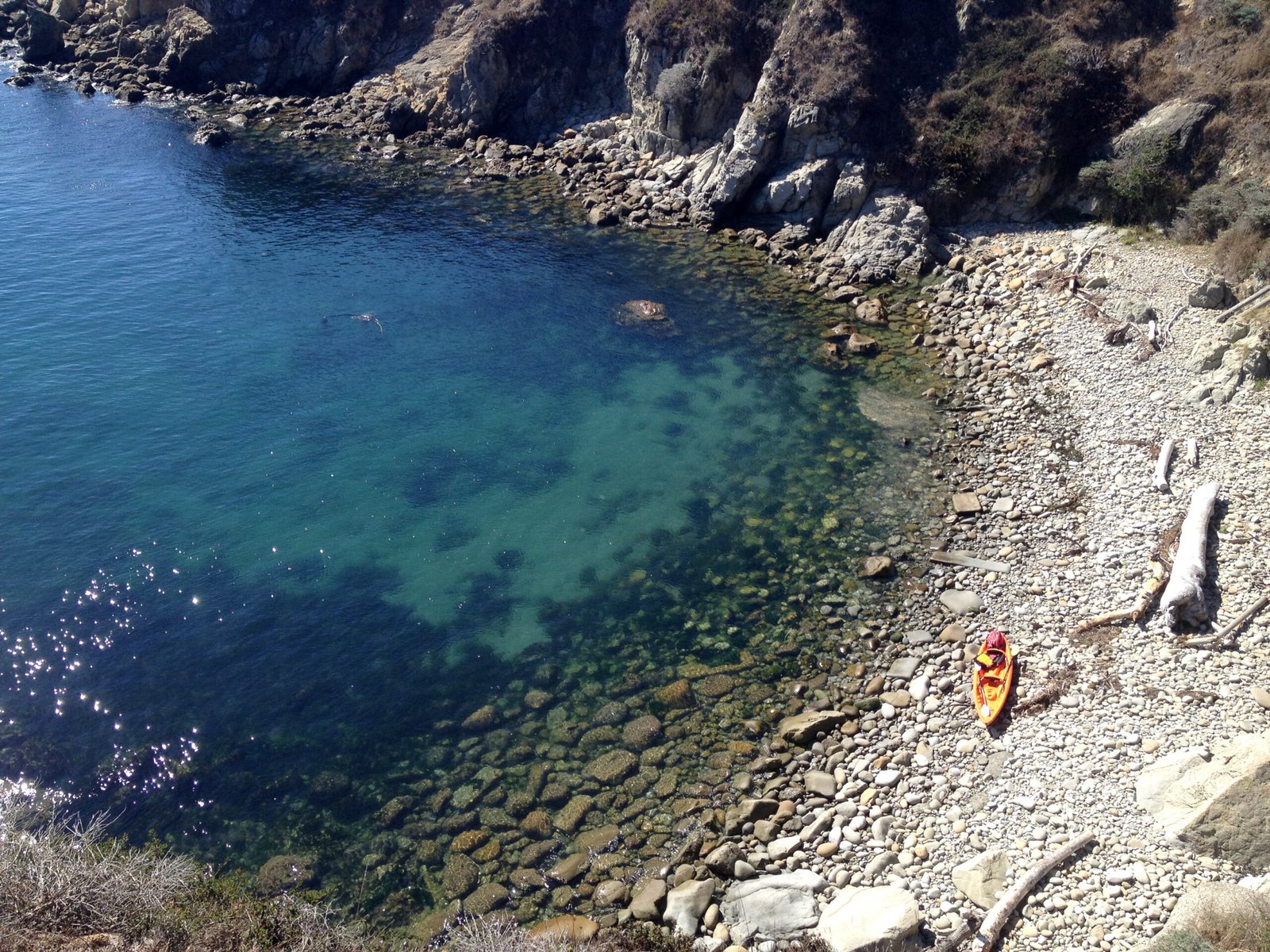
Photo: National Marine Sanctuaries / Wikimedia Commons, Public domain
The nearby cove is one of the park’s highlights.
Rocky outcroppings, kelp-filled water, and dramatic coastal scenery create a beautiful setting for photography and wildlife observation.
Gerstle Cove is also part of a protected marine reserve.
That means visitors have an opportunity to observe coastal marine life in an environment where natural resources receive special protection.
Tidepool exploration can be particularly fascinating.
Depending on tides and conditions, you may encounter sea anemones, crabs, small fish, and other creatures adapted to life along the rocky shoreline.
However, this isn’t a place to casually scramble over wet rocks.
The Pacific surf can be powerful, and unexpected waves can reach areas that appear safe.
Always keep a generous distance from breaking waves and avoid turning your back on the ocean.
It’s also essential to respect marine reserve regulations.
No fishing or collecting marine organisms is permitted within the Gerstle Cove State Marine Reserve. Visitors should observe wildlife without removing or disturbing it.
Hike the coastal trails
Salt Point State Park offers more than 20 miles of hiking trails.
Some follow the coastal bluffs, providing sweeping views of the Pacific Ocean.
Others lead inland through forests, grasslands, and unusual geological landscapes.
One particularly convenient option is the Salt Point Trail near Gerstle Cove.
California State Parks describes this as an approximately 0.46-mile accessible loop with views of the rugged coastline.
It’s a good option for visitors who want to enjoy the scenery without committing to a lengthy hike.
More ambitious hikers can explore additional trails through the park’s varied terrain.
Bring layers, sturdy shoes, and plenty of water, even for relatively short outings.
Coastal weather can change quickly, and exposed bluff-top trails may be windy.
Discover the park’s unusual sandstone formations
Salt Point is known for its fascinating sandstone geology.
Wind and water have carved some of the rock into elaborate patterns that resemble honeycombs or miniature caves.
These formations, called tafoni, are particularly striking in the soft coastal light.
For photographers, they’re a wonderful subject.
For families, they offer an interesting opportunity to learn about erosion and the forces that shape the landscape.
As always, avoid climbing on fragile formations or damaging the surrounding environment.
Visit Stump Beach
Stump Beach is another scenic area within the park.
Unlike the predominantly rocky shoreline around Gerstle Cove, Stump Beach offers a sandy coastal setting.
It’s a pleasant destination for a picnic, a walk, or simply enjoying the ocean scenery.
However, the water along this stretch of the California coast can be dangerous.
Cold temperatures, strong currents, and unexpected waves make casual swimming inadvisable.
Treat the beach as a place for sightseeing and relaxation rather than assuming it’s a safe swimming destination.
Explore the pygmy forest
One of Salt Point State Park’s more unusual attractions is its pygmy forest.
Here, environmental conditions have limited the growth of certain trees, producing a landscape of unusually small cypress and pine.
It’s a fascinating contrast to the taller forests elsewhere in the park.
The hike to the pygmy forest provides an opportunity to experience another side of Salt Point’s diverse natural environment.
For campers interested in ecology and unusual landscapes, it’s worth adding to the itinerary.
The best time to go camping
Gerstle Cove Campground is open year-round, which provides more flexibility than many seasonal campgrounds.
However, the Sonoma Coast has a climate that deserves careful consideration.
Spring can be beautiful, with green hillsides and wildflowers. Rain, wind, and chilly evenings are possible.
Summer is popular with visitors escaping hotter inland temperatures. However, coastal fog and cool conditions can persist even during July and August.
Fall often offers particularly attractive weather, with opportunities for clearer skies and pleasant daytime temperatures.
Winter brings a quieter atmosphere but also the possibility of heavy rain, strong winds, and cold nights.
For tent campers, late summer through early fall can be especially appealing.
September and October are worth considering if you’re hoping for comfortable hiking conditions and opportunities to enjoy the coastline.
But regardless of the season, pack for changing weather.
A warm sleeping bag, waterproof layers, and reliable wind protection are essential.
What we like about Gerstle Cove Campground
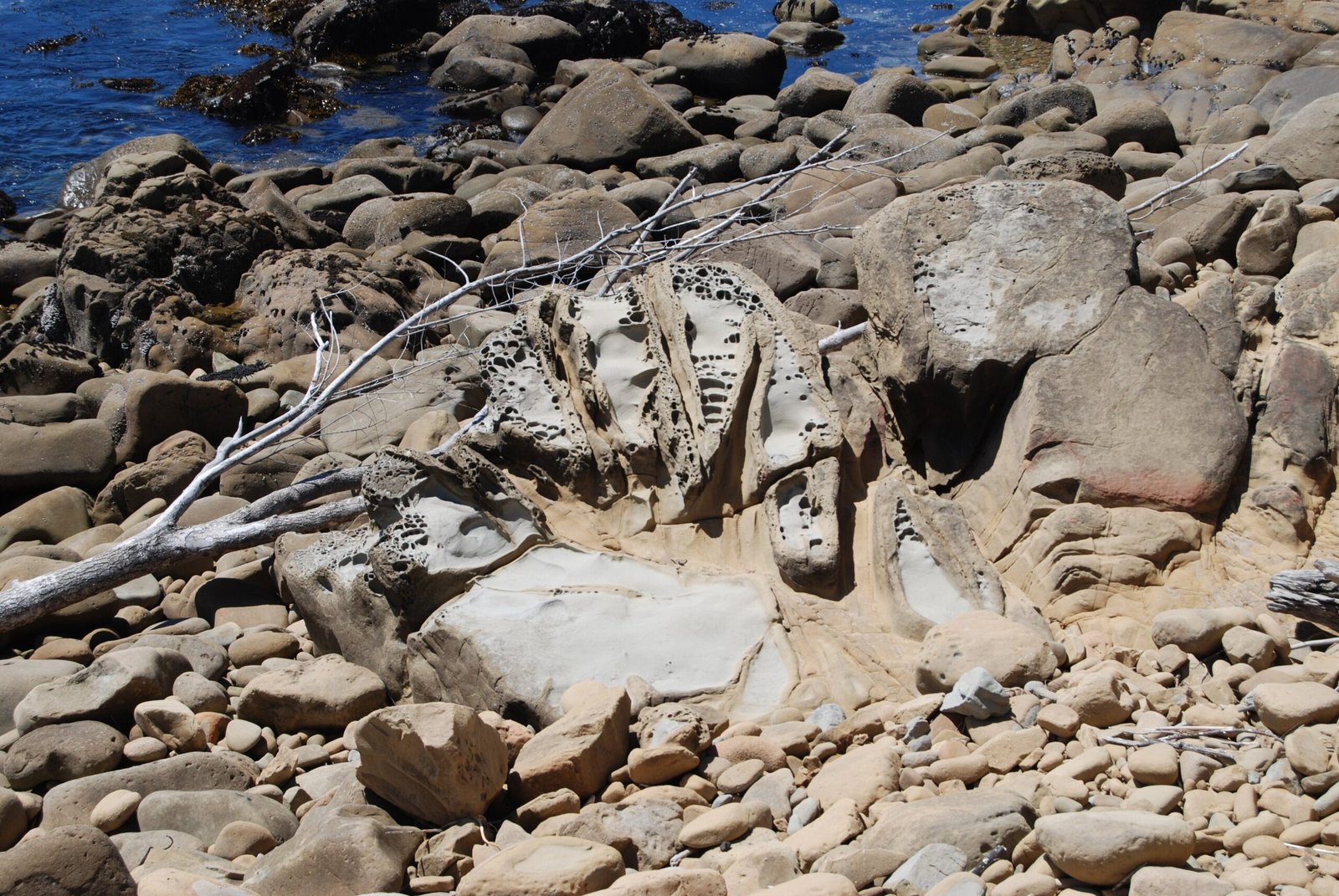
Photo: Kglavin / Wikimedia Commons, CC BY 2.5
Several features make Gerstle Cove a compelling destination for tent campers.
Spectacular coastal scenery: Rocky cliffs, ocean views, and dramatic landscapes make the setting unforgettable.
Small campground atmosphere: Just 30 family sites create a more intimate camping experience.
Convenient access to nature: Coastal trails, tidepools, and scenic overlooks are close by.
Interesting geological features: Salt Point’s tafoni sandstone formations add something unusual to the experience.
Year-round camping: The campground remains open throughout the year.
Useful basic amenities: Drinking water, restrooms, food lockers, and fire rings make traditional tent camping practical.
Excellent photography opportunities: Changing fog, coastal light, wildlife, and rock formations provide endless inspiration.
Diverse landscapes: The park includes beaches, coastal bluffs, grasslands, forests, and a pygmy forest.
For campers who value natural beauty over resort-style amenities, Gerstle Cove has plenty to offer.
Potential drawbacks to consider
Even a beautiful coastal campground has limitations.
Wind exposure: Some campsites can be quite windy, especially when weather systems move along the coast.
Cool temperatures: Summer nights may feel surprisingly cold.
Coastal fog and moisture: Tents and camping gear can become damp overnight.
No showers: Campers need to plan accordingly.
No electrical hookups: Portable lighting and charging equipment are useful.
Limited nearby services: Grocery stores, gas stations, and restaurants aren’t immediately adjacent to the campground.
Small campground: With only 30 sites, popular dates may fill quickly.
Ocean hazards: Strong surf, slippery rocks, and unexpected waves require caution.
Pet restrictions: Dogs aren’t allowed on most hiking trails or beaches.
These limitations are manageable with appropriate planning.
However, Gerstle Cove is best suited to campers who enjoy a relatively simple outdoor experience and don’t mind adapting to coastal weather.
Reservations, fees, and practical planning
Gerstle Cove Campground accepts reservations through ReserveCalifornia.
The campground has 30 family campsites and remains open year-round.
California State Parks currently lists the following fees:
| Fee category | Published rate |
|---|---|
| Gerstle Cove family campsite | $35 per night |
| Additional vehicle | $10 per night |
| Warren Group Campground | $200 per night |
| Day-use parking | $10 per vehicle |
Current published California State Parks rates; booking fees and other charges may apply.
Reservations are strongly recommended, particularly for weekends and holidays.
California State Parks also notes that a limited number of first-come, first-served campsites may be available depending on that day’s reservations.
However, visitors shouldn’t assume that an unreserved campsite will be available upon arrival.
Call the park if you’re considering a spontaneous trip.
Important campground rules
Food storage: Use the provided food lockers and keep food and scented items secured.
Campfires: Fires must remain within designated fire rings and comply with current restrictions.
Firewood: Gathering wood within the park is prohibited. Buy firewood locally or through approved sources.
Pets: Dogs must remain leashed and are generally prohibited on hiking trails and beaches. They must be kept inside a tent or vehicle at night.
Marine reserve: Do not fish, collect shells or marine organisms, or disturb wildlife within Gerstle Cove State Marine Reserve.
Environmental campsites: The park’s separate walk-in environmental campsites are currently closed indefinitely. Don’t confuse these with the developed Gerstle Cove family campsites.
Directions and contact information
Gerstle Cove Campground is located within Salt Point State Park along Highway 1 in Sonoma County.
The park is approximately 90 miles north of San Francisco.
Highway 1 is scenic but winding, so allow extra travel time and drive carefully.
Services are limited along portions of the coast, making it wise to fuel up and purchase groceries before reaching the campground.
Official planning information
- Address: 25050 Highway 1, Jenner, CA 95450
- Campground telephone: 707-847-3221
- Reservation telephone: 800-444-7275
- Official park website: Salt Point State Park
- Campground information: Official camping details
- Reservations: ReserveCalifornia
- Campground map: Official Salt Point campground map (PDF)
Final verdict: Is Gerstle Cove Campground worth visiting?
Absolutely—especially for tent campers who appreciate dramatic coastal scenery and a peaceful natural environment.
Gerstle Cove Campground offers a memorable opportunity to experience Northern California’s rugged Sonoma Coast.
With just 30 campsites, convenient access to coastal trails, fascinating sandstone formations, and beautiful ocean scenery, it’s an appealing destination for campers who enjoy spending their days exploring outdoors.
The campground’s basic facilities provide the essentials without taking away from the natural setting.
However, the lack of showers, potentially strong winds, and cool coastal temperatures mean visitors need to prepare carefully.
This isn’t the ideal campground for someone seeking a warm beach vacation with resort-style conveniences.
But if you enjoy the sound of ocean waves, misty coastal mornings, dramatic cliffs, and quiet evenings beside a campfire, Gerstle Cove offers something special.
Camping Frontier’s recommendation: Gerstle Cove Campground is an excellent choice for experienced and moderately adventurous tent campers who want to explore California’s spectacular Sonoma Coast. Reserve early, bring a wind-resistant tent and warm clothing, and plan plenty of time for hiking, photography, and discovering Salt Point State Park’s unique coastal landscapes.
Liked this? Get one like it every week.
Practical camping guides, gear picks and campground reviews, in your inbox once a week, plus the free First Camping Trip Checklist when you join. See what's inside.
Free. One email a week. Unsubscribe anytime.